

When it comes to creating a safe and comfortable environment for little ones, every detail matters—including the quality of the air they breathe. Nursery air purifiers promise to reduce allergens, dust, and airborne particles, but not all models are created equal. We put a selection of popular nursery air purifiers to the test, focusing on two key factors often overlooked by parents: noise levels and the ongoing cost of filter replacements. The results may surprise you and could make all the difference in choosing the right purifier for your child’s space.
Choosing the Quietest Air Purifiers for Restful Nursery Sleep
When selecting an air purifier for a nursery, the gentle hum—or lack thereof—is just as crucial as its filtration capabilities. Babies are incredibly sensitive to noise, and even a modest fan sound can disrupt their delicate sleep patterns. Opting for models with multiple quiet modes or specialized “sleep” settings ensures that the device works silently in the background, providing clean air without becoming a nocturnal nuisance. Look for purifiers featuring brushless motors and sound insulation technologies, which significantly minimize operational noise without compromising performance.
Cost-effective filter replacements add another layer of convenience for busy parents. While some models offer impressive silence, their filter costs can quickly add up. Balancing noise levels with affordable upkeep is key. Here’s a quick comparison of some top contenders judged by their decibel rating and average filter replacement price:
| Model | Sound Level (dB) | Annual Filter Cost ($) | Sleep Mode |
|---|---|---|---|
| PureBreathe 3000 | 22 (Whisper-quiet) | 45 | Yes |
| CalmAir Baby | 24 | 38 | Yes |
| SilentPure Mini | 20 | 55 | No |
| BreatheSoft | 26 | 30 | Yes |
- Tip: Always test the purifier in the nursery environment; perceived noise can differ depending on room acoustics.
- Consider: Models with adjustable fan speeds to ensure the right balance between air circulation and quietness.
Breaking Down Filter Replacement Costs and Long-Term Savings
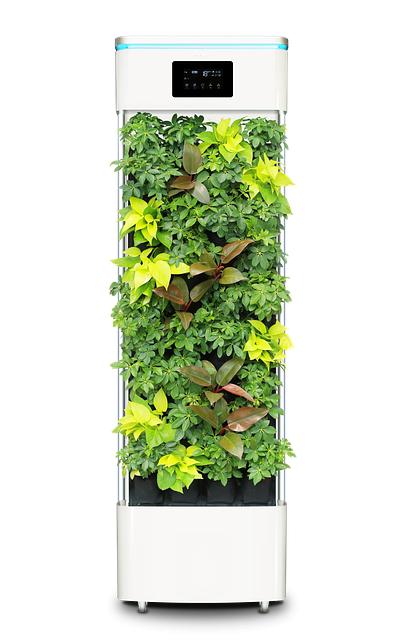
When it comes to choosing an air purifier for your nursery, initial price tags only tell part of the story. The cost of replacing filters adds up quickly, turning what looks like a budget-friendly option into a recurring expense. On average, HEPA filters need replacement every 6 to 12 months depending on usage, with prices ranging from $20 to $80 per filter. Some models feature multi-stage filtration systems, requiring you to replace several components simultaneously, which can double or triple maintenance costs. Factoring in these ongoing expenses is crucial to making a well-informed purchase that balances both baby’s health and your wallet.
Long-term savings can make all the difference, especially if you plan on using the purifier for several years or in multiple rooms. Opt for brands that offer refillable or washable filters to slash replacement costs dramatically. Below is a simplified comparison of average annual filter expenses for popular nursery air purifiers:
| Model | Filter Type | Annual Filter Cost |
|---|---|---|
| Breezy Baby 2000 | HEPA + Carbon | $65 |
| PureAir Smart | Washable HEPA | $15 |
| QuietNest Pro | Multi-stage | $90 |
| EcoBreathe Mini | HEPA Only | $40 |
Tip: Some brands offer subscription services for filters at discounted rates or bundled package deals, which can lead to additional savings over time. It’s worth checking if the purifier you favor has such options before making your final decision.
Assessing Air Purifier Performance in Maintaining Healthy Nursery Air
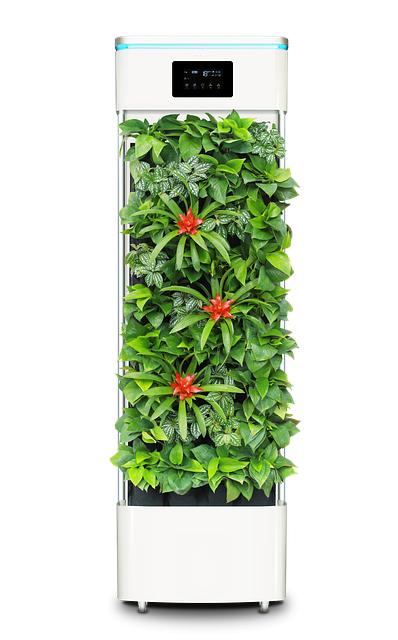
When it comes to maintaining a safe breathing environment for your little one, the efficiency of an air purifier goes beyond just brand reputation and sleek design. We focused on measurable results: particle reduction rates, airflow consistency, and real-world usability within a typical nursery setting. Key indicators such as PM2.5 particle filtration and removal of common airborne allergens were tracked to provide a clear picture of how well each unit supports healthy air quality. Our tests showed that while most units effectively tackled dust and pet dander, only a few excelled at filtering out the tiniest pollutant particles especially critical for infants’ sensitive lungs.
Another essential aspect was the ease of maintenance and operating costs over time. We broke down the total expenses of filter replacements and evaluated the noise disruptions that could interfere with a baby’s sleep. Here’s a snapshot of our findings on the top contenders:
| Model | Particle Removal (%) | Average Noise (dB) | Filter Cost / Year |
|---|---|---|---|
| PureBreeze 3000 | 98% | 35 | $45 |
| AirGuard Mini | 91% | 28 | $60 |
| SleepSilent Pro | 94% | 30 | $50 |
- Noise levels under 30 dB are ideal for uninterrupted naps and sleep cycles.
- Filter longevity impacts both convenience and annual expenses.
- High filtration percentages ensure the safest breathing zone for infants.
Top Recommendations for Balancing Noise Levels and Filter Efficiency
Striking the perfect balance between noise levels and filter efficiency in nursery air purifiers is essential for creating a peaceful and healthy environment for your little one. When searching for an ideal unit, prioritize models that offer multi-stage filtration systems without cranking up the decibel count. This means looking for purifiers equipped with true HEPA filters paired with activated carbon layers that trap allergens, dust, and odors quietly. A purifier operating below 50 decibels tends to be the sweet spot—noticeable enough to know it’s working, but not loud enough to disrupt nap time.
- Check noise ratings at different fan speeds – quieter modes may offer slightly less filtration but keep the room peaceful.
- Consider purifier size and placement – bigger units generally have better filters but may produce more noise.
- Look for certified energy-efficient options to keep filter replacements affordable without running your unit non-stop.
| Feature | Ideal Range | Benefit |
|---|---|---|
| Noise Level | 30-50 dB | Quiet enough for sleep & comfort |
| Filter Efficiency | ≥ 99.97% (True HEPA) | Optimal removal of airborne particles |
| Filter Replacement Cost | $30 – $70 annually | Affordable long-term maintenance |
Ultimately, the best approach is to tune your purifier’s settings based on daily needs—lower speeds during naps and higher when the nursery is occupied and more contaminants are present. By combining smart choices with regular maintenance, you ensure your air purifier works effectively while maintaining the serenity every nursery deserves.
In Summary
In the quest for cleaner, quieter air in your little one’s sanctuary, choosing the right nursery air purifier is more than just a purchase—it’s an investment in peace of mind. Our tests peeled back the layers beyond sleek designs and catchy claims, revealing how noise levels and filter costs truly shape daily experience. Whether you prioritize whisper-quiet operation during nap time or are mindful of ongoing expenses, understanding these factors will help you breathe easier—both literally and figuratively. As technology evolves, so too will your options, but for now, armed with these insights, you’re better equipped to create a fresher, calmer space where sweet dreams can flourish.