

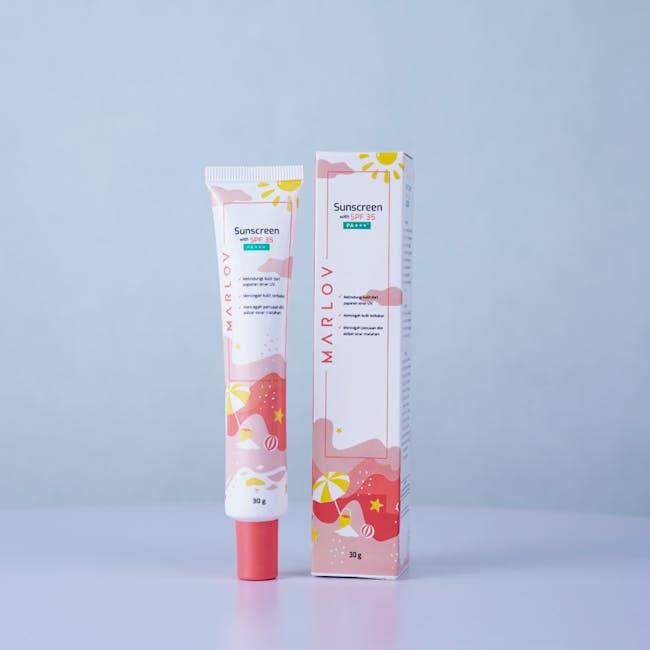
When it comes to sun protection, the debate between mineral and chemical sunscreens has been bubbling beneath the surface for years. Both promise to shield our skin from harmful UV rays, but their differing ingredients and textures often spark strong opinions. In this article, we’ll dive into the personal experience of daily use—exploring how each type feels on the skin, how they wear throughout the day, and what subtle differences might influence your choice. Whether you’re a devoted mineral fan or a chemical sunscreen loyalist, understanding the real-world feel of these products can help you find the perfect companion for your sun-filled adventures.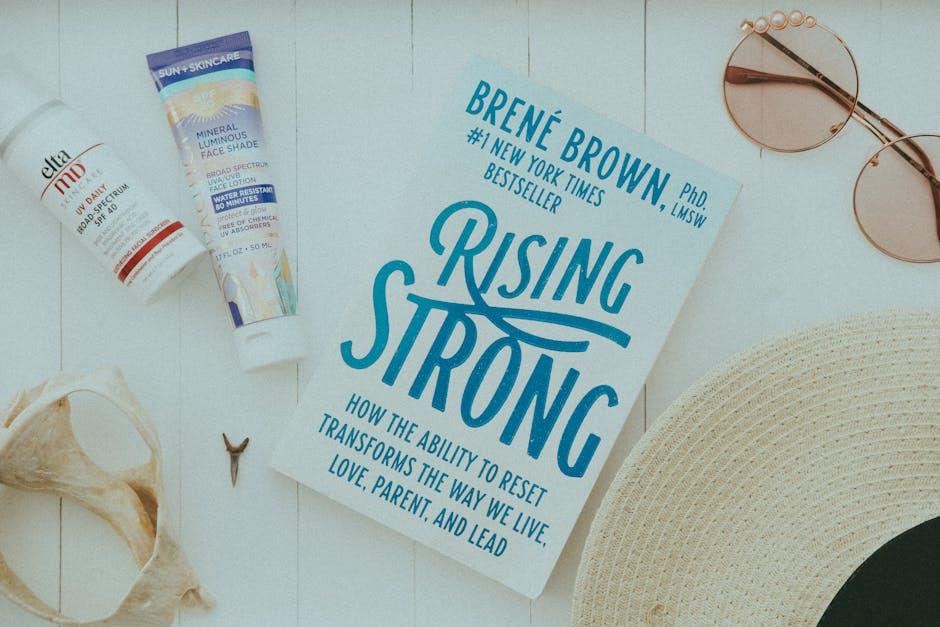
Comparing Texture and Application Experience
When it comes to feeling on the skin, mineral sunscreens often present a heavier, more noticeable layer. The presence of zinc oxide or titanium dioxide creates a slight chalky or matte finish that some might find a bit dense, especially under makeup. However, this texture offers a reassuring shield that feels consistent throughout the day, even in humid conditions. Notably, mineral formulas tend to be thicker, blending slowly but leaving a subtle, natural glow without the greasy residue.
Chemical sunscreens, on the other hand, usually boast a lightweight, almost invisible application. Their fluid or gel-based texture dries quickly, making them ideal for those who prefer a barely-there sensation. They absorb rapidly into the skin, allowing for smooth layering with moisturizers and cosmetics alike. Here’s a quick comparison to highlight the tactile differences:
| Aspect | Mineral Sunscreen | Chemical Sunscreen |
|---|---|---|
| Texture | Thicker, mineral-rich paste | Light, fluid, fast-absorbing |
| Finish | Matte or slightly chalky | Sheer, natural glow |
| Feel on Skin | Noticeable, protective layer | Lightweight, breathable |
| Makeup Compatibility | May require more blending | Seamless layering |
- Mineral options excel for those prioritizing a physical shield and natural ingredients.
- Chemical formulas appeal to users seeking comfort and subtlety in daily wear.

Assessing Skin Sensitivity and Long-Term Effects
When it comes to how your skin reacts over time, mineral and chemical sunscreens each bring unique considerations. Mineral formulas—often containing zinc oxide or titanium dioxide—tend to be less irritating and are generally better tolerated by sensitive or reactive skin types. Their physical barrier reflects UV rays without penetrating deeply, reducing the risk of redness, stinging, or breakouts. In contrast, some chemical sunscreens absorb UV radiation through active ingredients like avobenzone or oxybenzone, which may trigger mild irritation or allergies for those with delicate skin. However, many modern formulations have improved tolerability, balancing effectiveness with gentler ingredients.
Beyond immediate reactions, it’s important to consider the cumulative effects after consistent daily use. Here’s a quick breakdown of key points:
- Mineral Sunscreens – Offer broad-spectrum protection with minimal absorption, making them less likely to cause long-term sensitivity issues or hormone disruption concerns.
- Chemical Sunscreens – Provide a lighter, often more cosmetically elegant feel but require careful ingredient choices to avoid potential photo-induced irritation or skin imbalances.
| Factor | Mineral Sunscreen | Chemical Sunscreen |
|---|---|---|
| Skin Sensitivity | Generally hypoallergenic | Varies depending on formula |
| Long-Term Use | Low risk of irritation | Possible accumulation of irritants |
| Environmental Impact | Eco-friendly minerals | Some ingredients raise eco concerns |
Evaluating Sunscreen Performance in Different Environments
When tested across various settings—from humid city streets to dry, windy parks—both mineral and chemical sunscreens displayed unique strengths and challenges. Mineral sunscreens often felt heavier on the skin, sometimes leaving a slight white cast that was more noticeable in bright sunlight or outdoor activities. However, their performance in blocking UVA and UVB rays remained consistent, especially during prolonged exposure. Conversely, chemical sunscreens offered a lighter, almost invisible application, blending effortlessly even in sweaty conditions, but occasionally required reapplication after water exposure or heavy perspiration to maintain their protective barrier.
- Mineral Sunscreen: Durable under sun and wind, less ideal for quick absorption
- Chemical Sunscreen: Lightweight, quick-absorbing, may degrade with water
| Environment | Comfort | Protection Stability | Reapplication Need |
|---|---|---|---|
| Humid City | Medium (Mineral) | High (Mineral) | Low (Mineral) |
| Dry Park | High (Chemical) | Medium (Chemical) | Medium (Chemical) |
| Water Activity | Low (Mineral) | High (Mineral) | High (Chemical) |
Choosing the Right Sunscreen Based on Your Lifestyle and Skin Type
Finding the perfect sunscreen often hinges on both your skin’s unique needs and the rhythm of your daily activities. For those with sensitive or acne-prone skin, mineral sunscreens rich in zinc oxide or titanium dioxide tend to be gentler, creating a physical barrier that sits atop the skin without clogging pores. If your day is packed with outdoor workouts or long commutes under the sun, a formula offering broad-spectrum protection and water resistance becomes essential. Meanwhile, individuals with normal or oily skin might prefer the lightweight finish of chemical sunscreens that absorb quickly and avoid that chalky feel, making them ideal under makeup or for quick touch-ups.
Consider this quick reference to align your lifestyle with the sunscreen type that fits best:
| Skin Type | Recommended Sunscreen | Ideal Benefits |
|---|---|---|
| Sensitive | Mineral (Zinc Oxide/Titanium Dioxide) | Non-irritating, calming |
| Oily/Acne-prone | Mineral or lightweight chemical | Non-comedogenic, mattifying |
| Dry | Chemical with moisturizing agents | Hydrating, smooth finish |
| Active lifestyle | Water-resistant Mineral or Chemical | Long-lasting protection, sweat-proof |
Ultimately, understanding your daily environment—whether it’s indoor office hours or outdoor adventures—along with your skin’s characteristics will guide you to a sunscreen that not just protects but feels like an invisible yet reliable shield all day long.
In Conclusion
In the end, choosing between mineral and chemical sunscreen often comes down to personal preference and how each formula interacts with your unique skin. While mineral sunscreens offer a natural barrier with a subtle, earthy feel, chemical sunscreens provide a lightweight, invisible shield that easily blends into daily routines. Both have their merits—and their quirks—but the best sunscreen is ultimately the one you feel comfortable reaching for every morning. Whichever you choose, the key is consistent protection under the sun’s watchful eye. After all, healthy skin is the brightest glow you can wear.