

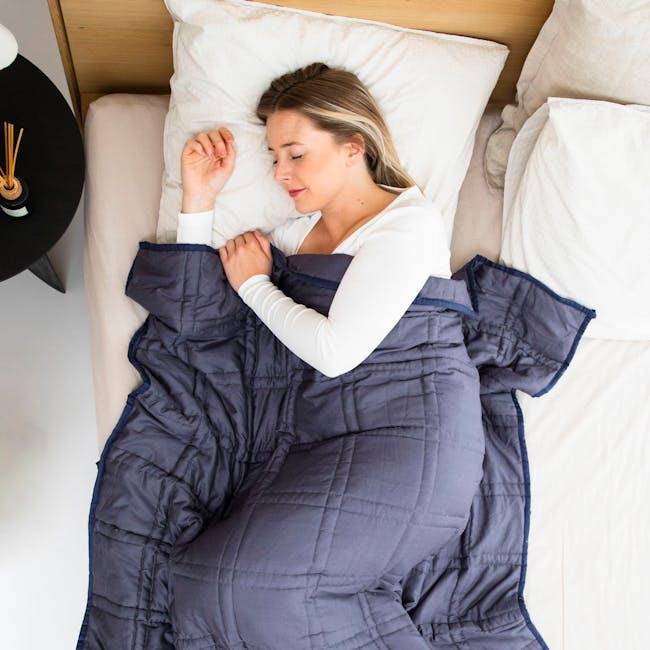
When the clock’s hands stretch past bedtime and the mind refuses to quiet, many of us find ourselves on a relentless quest for the perfect sleep aid. Among the modern solutions gaining popularity are weighted blankets and white noise machines—each promising a smoother descent into slumber. But which truly helps you fall asleep faster? In this exploration, we dive into our personal experiment, weighing the calming embrace of a weighted blanket against the soothing hum of white noise, uncovering which nighttime companion won the race to restful sleep.
The Science Behind Weighted Blankets and White Noise for Sleep
Weighted blankets work by applying gentle, evenly distributed pressure across the body, tapping into a phenomenon known as deep pressure stimulation (DPS). This sensation promotes the release of serotonin and dopamine—neurotransmitters responsible for feelings of calm and well-being—while simultaneously reducing cortisol, the stress hormone. The result is a lowered heart rate and reduced anxiety, creating an ideal internal environment for drifting off to sleep. Users often describe this as a “hug-like” effect that not only soothes but also helps regulate the nervous system, encouraging longer and more restful sleep cycles.
In contrast, white noise functions by masking disruptive ambient sounds with a consistent and soothing auditory backdrop. This smooth layer of sound prevents sudden noises from triggering wakefulness, making it easier for the brain to remain in a restful state. White noise also mimics the familiar hum of the womb or steady environmental sounds, sending comforting signals to the auditory cortex. Together, these effects reduce sensory disruptions and promote sustained sleep. Below is a quick comparison of how each method influences sleep quality:
| Feature | Weighted Blanket | White Noise |
|---|---|---|
| Primary Mechanism | Deep Pressure Stimulation | Sound Masking |
| Key Benefit | Calms Nervous System | Blocks Environmental Noise |
| Ideal Users | Those with Anxiety, Restlessness | Light Sleepers, Noise Sensitive |
| Sleep Onset Effect | Slow and Steady Relaxation | Rapid Noise Neutralization |
Personal Experiences with Weighted Blankets and White Noise
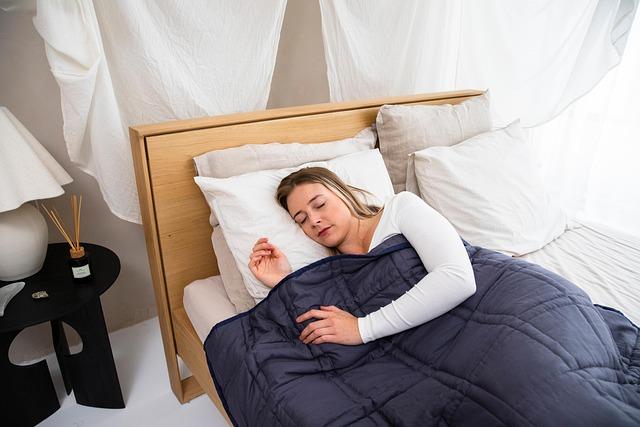
After trying both methods over several weeks, I noticed that the weighted blanket offered a comforting, cocoon-like sensation that seemed to naturally slow my heart rate. The gentle pressure mimicked a calming hug, helping me unwind from a busy day. I especially appreciated how it reduced the tossing and turning; wrapping myself up felt like a subtle reminder to relax. However, there were nights when the warmth became slightly overwhelming, particularly during warmer months, which occasionally interrupted my sleep.
On the other hand, white noise proved to be a powerful ally against environmental distractions. The steady, soothing hum masked sudden sounds that would otherwise jolt me awake. What was surprising was how customizable the experience was—ranging from ocean waves to gentle rain sounds, it made winding down feel like a ritual. Here’s a brief comparison of my experience with both:
| Aspect | Weighted Blanket | White Noise |
|---|---|---|
| Sleep Onset | Relaxation through deep pressure eased falling asleep | Sound masking reduced wake-ups, quickened sleep onset |
| Comfort Level | High, but can be warm | Variable based on sound choice |
| Portability | Heavy and fixed to bed | Portable and adjustable volume |
- Weighted blankets helped ground restless minds, creating a tactile center of calm.
- White noise offered auditory consistency that shaped my bedtime environment.
Comparing Effects on Sleep Onset and Quality
When it comes to falling asleep quickly, both the weighted blanket and white noise served unique roles in our journey to dreamland. The weighted blanket created a sensation of gentle pressure, promoting a calm, cocooned feeling that notably reduced restlessness within the first 15 minutes. On the other hand, the white noise acted as a consistent auditory backdrop, masking sudden environmental sounds that often jolted us awake. This steady hum helped ease our minds, but the actual onset of sleep tended to be more gradual, extending closer to 25 minutes on average.
Quality-wise, differences emerged during the night. With the weighted blanket, sleep cycles felt deeper and more stable, especially during the crucial early morning hours, whereas white noise produced a lighter, more interrupted sleep despite its soothing effect. Below is a quick comparison of the main observations:
| Factor | Weighted Blanket | White Noise |
|---|---|---|
| Average Time to Fall Asleep | 15 minutes | 25 minutes |
| Sleep Depth | Deeper, more restful | Moderate, more interruptions |
| Environmental Disturbance | Reduced due to physical comfort | Masked background noise |
- Weighted Blanket: Immediate physical soothing effect.
- White Noise: Gradual mental relaxation and sound masking.
- Both improved overall sleep experience but through different mechanisms.

Choosing the Right Sleep Aid Based on Your Needs
When it comes to selecting a sleep aid, understanding your personal preferences and sleep challenges is key. If you find comfort in tactile sensations and crave a sense of security, a weighted blanket might be your go-to. These blankets provide deep pressure stimulation, which can help calm the nervous system and promote relaxation. They work especially well for those who experience anxiety or restlessness before bed. Conversely, if you’re easily disturbed by sudden noises or struggle to quiet a noisy mind, white noise machines offer consistent, soothing soundscapes that mask disruptive sounds and lull you into a peaceful state.
Here’s a quick comparison to guide your choice:
| Sleep Aid | Best For | Key Benefit |
|---|---|---|
| Weighted Blanket | Individuals seeking physical comfort and calm | Deep pressure that reduces stress hormones |
| White Noise | Light sleepers and those with auditory distractions | Sound masking that promotes uninterrupted sleep |
- Note your sleep difficulties: Are you battling restlessness or external noises?
- Consider your sensory preferences: Do you enjoy being cocooned in warmth or surrounded by gentle sound?
- Test both options: Sometimes combining tactile and auditory aids provides the best results.
Concluding Remarks
In the end, both the weighted blanket and white noise carved their own unique paths to sleep, each offering comfort in remarkably different ways. Whether it was the gentle, soothing pressure of the blanket or the rhythmic hush of ambient sound, the journey to restful nights proved personal and varied. As with many things in sleep, the best remedy often comes down to individual preference and the subtle nuances of what calms your mind. So, whether you tuck yourself under a weighted embrace or drift off to a steady, calming hum, the real victory is simply finding what helps you close your eyes a little faster—and dream a little deeper.