

In the ever-evolving world of health and wellness, powders have carved out a convenient niche, promising a quick boost of nutrition in a scoop. Among the most popular contenders are greens powders and fiber powders, each championed for their unique benefits. But beyond their health claims, there’s a practical question many users wonder about: which one blends more smoothly into your daily routine—and your favorite beverage? In this exploration, we delve into the subtle art of mixing greens powder versus fiber powder, examining not just their nutritional punch, but also how easily they dissolve and how tolerable they feel on the palate. Whether you’re a seasoned supplement user or a curious newcomer, understanding these factors can make all the difference in embracing a powder that fits seamlessly into your lifestyle.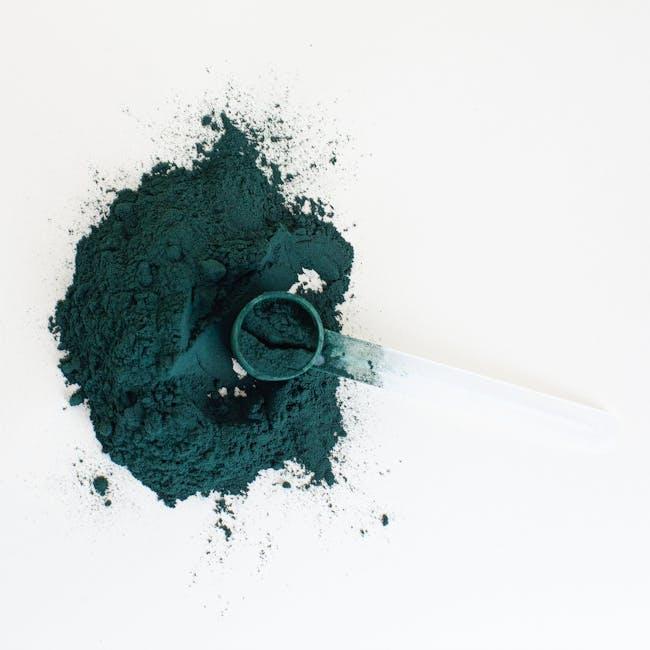
Comparing Texture and Mixability in Greens Powder and Fiber Powder
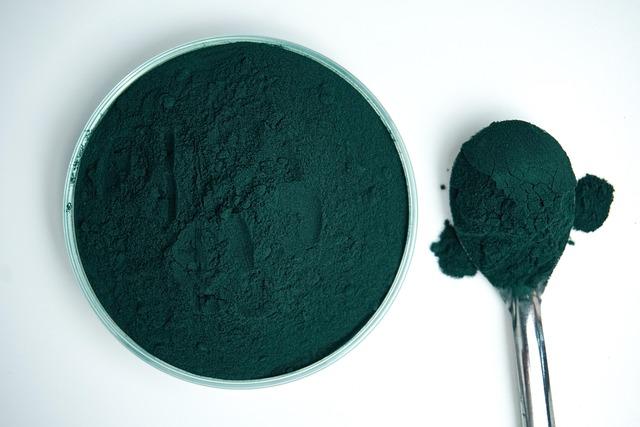
When stirring up a drink, the experience is often dictated by the texture and how well the powder blends with liquid. Greens powder tends to have a slightly grainy texture, a result of powdered vegetables and algae. Despite this, its fine consistency usually allows it to dissolve relatively smoothly, especially in colder liquids. The natural fibers and plant compounds create a mild thickness that can feel nourishing rather than gritty. Many users report a quick blend time without excessive clumping, making it easier to enjoy on the go.
Fiber powder, on the other hand, often delivers a different tactile sensation. Due to its higher concentration of soluble and insoluble fibers, it can produce a thicker, sometimes more viscous drink that doesn’t always mix seamlessly. Clumps can form if not stirred vigorously, and the mouthfeel may lean toward a more “pulpy” or gelatinous texture, which some find less tolerable. However, this increased thickness can also enhance satiety. Below is a simple comparison to visualize these differences:
| Aspect | Greens Powder | Fiber Powder |
|---|---|---|
| Texture | Fine, slightly grainy but smooth | Thicker, pulpy, potential clumping |
| Mixability | Dissolves quickly with gentle stirring | Requires vigorous mixing, prone to lumps |
| Mouthfeel | Light, mildly nourishing | Heavy, gelatinous |
| User Tolerance | Generally well tolerated | Varies, some find it challenging |
- Tip: Using a shaker bottle or blender improves fiber powder mixability significantly.
- Pro insight: Greens powder is preferred for quick, smooth blends while fiber shines in supporting fullness.

Digestive Comfort and Tolerability Insights for Each Supplement
When it comes to mixing, greens powder generally blends smoothly with water or juice, exhibiting a fine, almost silky texture that minimizes clumps. Most users report feeling little to no grit, which makes consumption easier, especially for those sensitive to texture. Conversely, fiber powders, particularly those derived from psyllium husk or similar sources, tend to thicken quickly and can form gelatinous lumps if not stirred promptly. This viscosity can be both a benefit and a challenge — while it promotes a feeling of fullness, it might also feel heavy or chalky in the mouth.
- Greens powder: Smooth mixing, light mouthfeel, gentle on the stomach
- Fiber powder: Thickens fast, can feel heavy, requires prompt stirring
On the digestive front, greens powders are typically well tolerated, featuring a combination of greens, herbs, and probiotics that support gut health without causing major bloating or discomfort. However, some blends with high chlorophyll content may cause mild gas initially. Fiber powders, on the other hand, excel at promoting regularity but may induce mild bloating or flatulence during the adjustment phase. This is especially true for those unaccustomed to higher fiber intake. Drinking ample water alongside fiber supplements dramatically improves tolerability and reduces any temporary digestive disturbances.
| Supplement | Mixing Texture | Digestive Response | Best For |
|---|---|---|---|
| Greens Powder | Silky, minimal clumps | Gentle, occasional mild gas | Daily nutrient boost, sensitive stomachs |
| Fiber Powder | Thick, gel-like | Bloating initially, needs hydration | Digestive regularity, appetite control |
Taste Profiles and How They Influence Daily Consumption
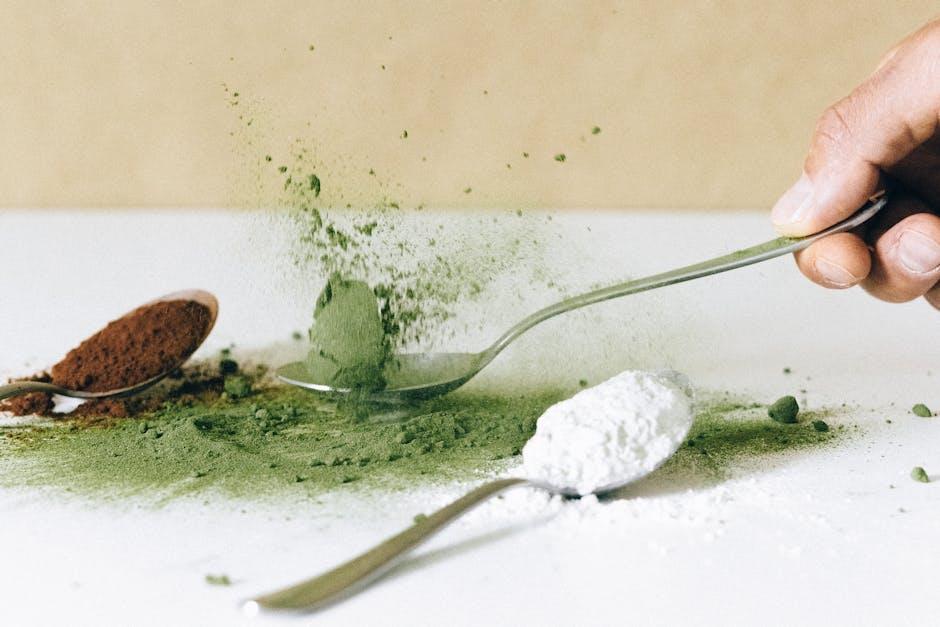
When it comes to incorporating supplements like greens and fiber powders into daily routines, taste becomes a pivotal factor influencing consistent use. Greens powders often carry a naturally vegetal and earthy flavor, which can be polarizing—some describe it as grassy or slightly bitter. In contrast, fiber powders tend to be more neutral or mildly sweetened, making them inherently easier to mix into various beverages without clashing with other flavors. The palatability directly affects how people choose to consume these supplements: those who prioritize flavor might lean toward fiber powders, while health enthusiasts focused on nutrient density may tolerate the more distinctive greens taste.
The way these powders blend with liquids also plays a crucial role in everyday acceptance. Here’s a quick comparison of their taste profiles and mixability:
| Attribute | Greens Powder | Fiber Powder |
|---|---|---|
| Flavor Profile | Earthy, grassy, slightly bitter | Neutral, subtly sweet |
| Mixability | Can be chalky or gritty, better in smoothies | Dissolves smoothly, mixes well with water or juice |
| Common Additives | Spirulina, wheatgrass, chlorella | Inulin, psyllium husk, chicory root |
| Daily Tolerability | Varies; often needs masking flavors | Generally easier to consume regularly |
- Texture: Smooth vs. gritty can make or break the experience.
- Aftertaste: Greens tend to linger, fiber powders are usually mild.
- Versatility: Fiber powders fit more easily into hot and cold drinks.

Choosing the Right Powder for Your Lifestyle and Nutritional Goals
When selecting a supplement, it’s crucial to align your choice with your daily habits and nutritional targets. Greens powders typically appeal to those who prioritize antioxidants, vitamins, and minerals derived from superfoods like spirulina, kale, and wheatgrass. They work best for individuals seeking an energy boost, immune support, or a way to conveniently increase vegetable intake without drastically altering their diet. On the other hand, fiber powders cater to those focused on digestive health, promoting regularity and gut balance with soluble fibers like psyllium husk or inulin. They excel in helping to manage appetite, stabilize blood sugar, and support weight management goals.
Before committing, consider these factors to find your perfect match:
- Texture and mixability: Greens powders often have an earthy or grassy flavor and can be slightly gritty, whereas fiber powders usually dissolve more smoothly but may thicken liquids.
- Daily tolerance: Some might experience mild bloating with fiber powders initially, while greens powders could cause slight detox reactions depending on the formula.
- Usage flexibility: Greens blends often mix well with juices or smoothies, while fiber powders can be incorporated into water or baked goods easily.
| Factor | Greens Powder | Fiber Powder |
|---|---|---|
| Primary Benefit | Micronutrient boost | Digestive support |
| Flavor Profile | Earthy and grassy | Neutral to mildly nutty |
| Mixability | Moderate (may be gritty) | High (can thicken liquids) |
| Common Side Effects | Detox reactions | Bloating (initial) |
The Way Forward
In the end, whether greens powder or fiber powder mixes more smoothly and feels more tolerable largely depends on personal preference and specific product formulations. Both offer unique benefits—greens powders deliver a concentrated burst of nutrients from vegetables and superfoods, while fiber powders support digestion and gut health in a more straightforward way. Experimenting with different brands and mixing techniques can help you find the perfect balance that suits your taste buds and lifestyle. After all, the best supplement is the one you enjoy taking consistently, making wellness feel less like a chore and more like a daily ritual.