

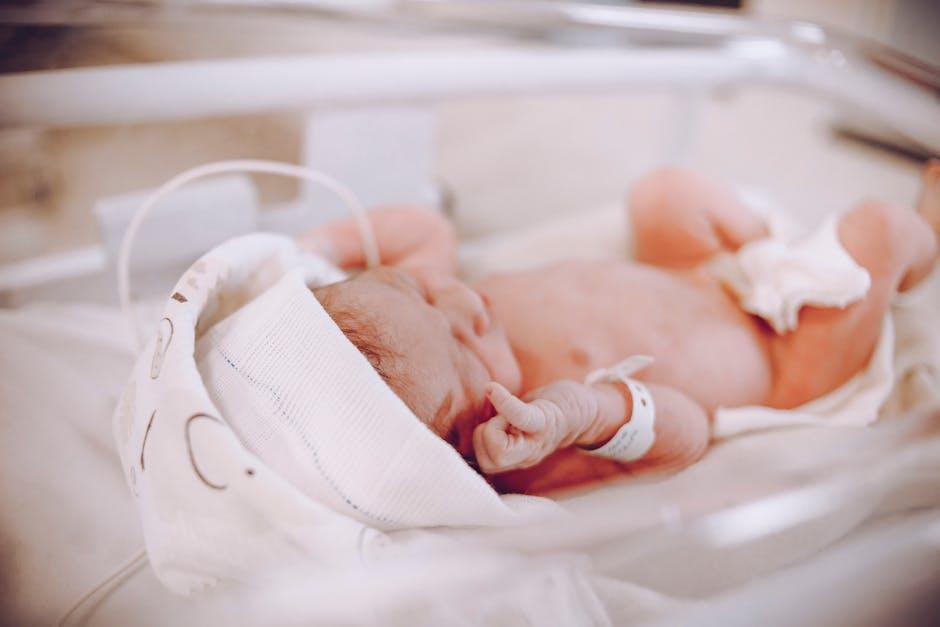
When it comes to those sleepy, middle-of-the-night moments with a newborn, every parent searches for that perfect solution to keep their little one cozy and calm—while making nighttime changes as smooth as possible. Enter the classic contenders: the swaddle and the sleep sack. Both promise warmth and security, but which truly shines when it comes to handling those inevitable nighttime diaper changes? In this article, we’ll unwrap the qualities of each, weighing their pros and cons, to help you discover which sleepwear option might just make those late-night routines a little easier for you and your baby.
Comparing Comfort and Safety Features of Swaddles and Sleep Sacks
When it comes to nighttime comfort, swaddles and sleep sacks each bring unique advantages to the nursery. Swaddles offer a snug, womb-like embrace that helps soothe babies by limiting their startle reflex, promoting longer stretches of undisturbed sleep. Their soft, stretchy fabrics wrap tightly around little limbs, creating a cozy cocoon that feels secure. However, swaddles require frequent adjustments during nighttime diaper changes, which can briefly disturb the baby’s comfort. Sleep sacks, by contrast, provide ample freedom of movement while maintaining warmth—a perfect balance for older infants transitioning out of swaddling. Their loose, wearable blanket design minimizes fuss during changes, supporting uninterrupted rest with less handling.
In terms of safety, several factors come into play:
- Swaddles: Must be correctly secured to prevent loosening, which can pose risks of covering the face.
- Sleep sacks: Are typically designed with safety-tested materials and offer a flame-resistant barrier.
- Mobility: Swaddles restrict movement, which can be a safety feature but may lead to overheating if not monitored.
| Feature | Swaddle | Sleep Sack |
|---|---|---|
| Ease of Nighttime Changes | Requires removal/rewrapping | Simple unzip or pull-up |
| Risk of Loosening | Higher if not snug | Minimal |
| Freedom of Movement | Restricted | Allowed |
| Overheating Potential | Moderate to High | Low to Moderate |
Impact on Nighttime Sleep Quality and Baby’s Movement
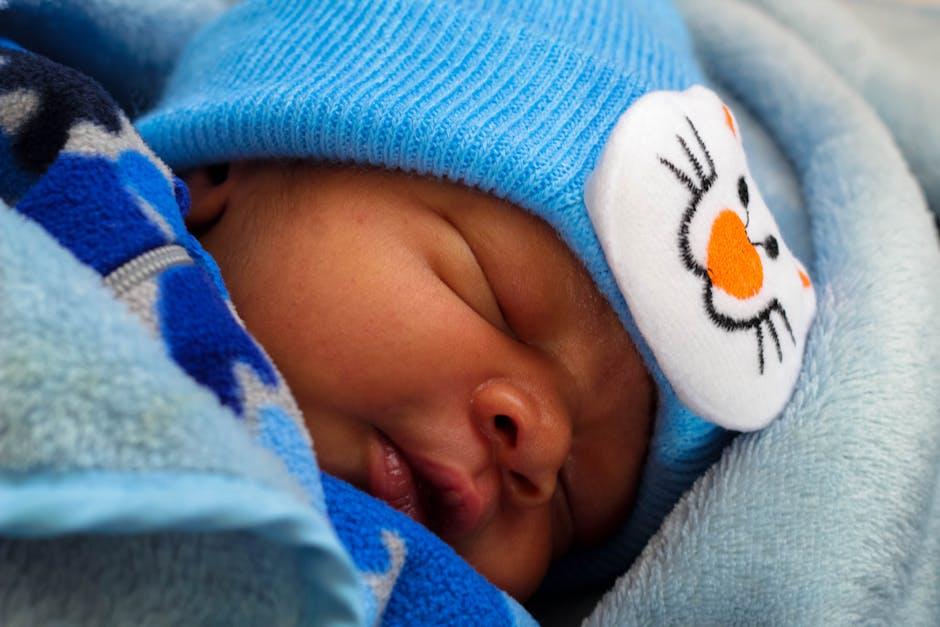
Parents often notice a clear difference in how their little one sleeps through the night depending on which sleepwear they use. Swaddles tend to provide a snug, womb-like feel that limits sudden movements, potentially reducing startle reflexes that wake babies up. This can lead to longer stretches of uninterrupted sleep, which everyone appreciates. However, some babies may find the tightness restrictive, leading to increased fussiness or attempts to break free, which can disrupt the rhythm of night changes.
Sleep sacks, by contrast, offer more freedom for natural movement while still providing warmth and comfort. The looser fit allows babies to move their arms and legs freely, which may encourage more spontaneous movement during the night. While this could mean more frequent position changes, many parents report that this freedom promotes self-soothing and reduces the risk of overheating. Below is a simple comparison of impact on baby’s movement and sleep quality:
| Aspect | Swaddle | Sleep Sack |
|---|---|---|
| Movement Restriction | High – Limits arm and leg motion | Low – Allows natural movement |
| Sleep Disturbance | Less frequent startle-induced waking | More position changes, but often self-soothing |
| Overheating Risk | Potentially higher if wrapped too tightly | Lower due to breathable design |
Ease of Use During Night Changes and Parent Convenience
When it comes to those bleary-eyed night changes, parents often crave simplicity. Sleep sacks shine here, allowing for a swift and fuss-free diaper swap without fully waking the little one. The design ensures that you can unzip or unzip from the bottom, providing easy access without disturbing the baby’s cozy upper half. In contrast, swaddles require fully unwrapping and rewrapping, which can be tricky in dim lighting and often results in more wakefulness for both baby and parent. Sleep sacks, therefore, bring a hands-down advantage in terms of effortless, calmer transitions in the middle of the night.
Key conveniences of sleep sacks for night changes include:
- Quick bottom zippers for easy diaper access
- Minimal disruption to baby’s swaddle-like warmth
- One-piece design reduces fiddling and frustration
- Less risk of baby waking or becoming startled
| Feature | Swaddle | Sleep Sack |
|---|---|---|
| Ease of Night Changes | Low – must unwrap completely | High – unzip bottom access |
| Parent Convenience | Moderate – requires skill in wrapping | High – simple, quick, and intuitive |
| Baby Comfort During Change | Frequently disturbed | Maintained warmth |
Expert Tips for Choosing Between Swaddles and Sleep Sacks
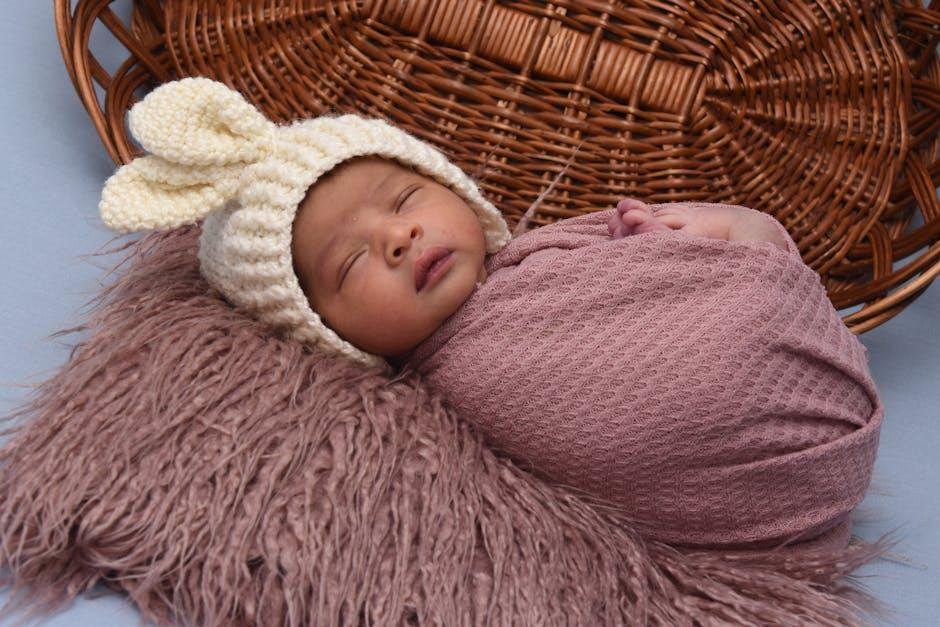
When deciding between swaddles and sleep sacks, consider your baby’s sleep habits and developmental stage. Swaddles excel at mimicking the cozy, womb-like environment that newborns crave, restricting startle reflexes that can interrupt sleep. They work best during those early weeks when your little one is still adjusting to the world outside. On the other hand, sleep sacks offer more freedom of movement while providing warmth and comfort, making them ideal as your baby begins to roll or show signs of increased activity. Prioritize features such as adjustable sizing, breathable materials, and ease of use during nighttime diaper changes to tailor the choice to both your needs and baby’s comfort.
To simplify your decision, here’s a quick overview of key considerations:
- Safety: Swaddles must be snug but not too tight; sleep sacks reduce risks associated with loose bedding.
- Mobility: Swaddles restrict movement; sleep sacks promote gradual freedom while keeping baby warm.
- Convenience: Sleep sacks often include zippers for quick changes; swaddles may require learning proper wrapping technique.
- Transition: Sleep sacks support smoother transitions from swaddling to independent sleep.
| Feature | Swaddle | Sleep Sack |
|---|---|---|
| Age Suitability | 0-3 months | 3 months and up |
| Movement Restriction | High | Low/Medium |
| Ease of Diaper Changes | Medium | High |
| Sleep Startle Prevention | Excellent | Good |
Key Takeaways
In the end, whether you lean toward the snug embrace of a swaddle or the cozy convenience of a sleep sack, what matters most is finding what soothes your little one through those midnight moments. Each has its unique charm and benefits, catering to different needs and stages of your baby’s sleep journey. By understanding their differences and observing your baby’s comfort and safety, you can choose the nighttime companion that transforms restless nights into peaceful dreams—for both baby and you. After all, the best choice is the one that brings the most calm and ease to those quiet, precious hours of night changes.