


In the vast world of dietary supplements, selenium often plays the unsung hero—quietly supporting our immune system, thyroid function, and antioxidant defenses. Yet, with a crowded market filled with countless brands promising purity and potency, how can consumers truly know if what’s inside the bottle matches the label? To unravel this mystery, we embarked on a hands-on exploration of selenium supplements, focusing on two critical aspects: dose clarity and packaging. Join us as we delve into how these elements influence not only consumer confidence but also the efficacy and safety of this essential mineral.
Understanding Selenium Dosage Variations Across Popular Brands
When diving into the world of selenium supplements, one quickly notices that dosage clarity varies widely among popular brands. Some brands opt for clear, prominently displayed microgram amounts per capsule, while others use ambiguous terms like “proprietary blend” or list selenium as part of a multi-ingredient formula without specific dosage breakdowns. This inconsistency can make it challenging for consumers to know exactly how much selenium they are consuming, affecting their ability to meet daily recommended intakes safely. Furthermore, the chemical form of selenium—such as selenomethionine versus sodium selenite—can also influence absorption, but such details are sometimes buried deep in the fine print.
Packaging styles contribute further to the confusion. Capsule counts per bottle can vary dramatically, and some brands package their selenium supplements with additional antioxidants or vitamins, which complicates the dose comparison process. To illustrate these variations clearly, we compiled a simple comparative overview:
| Brand | Dosage per Capsule | Type of Selenium | Capsules per Bottle |
|---|---|---|---|
| NutraSelen | 200 mcg | Selenomethionine | 60 |
| PureSelen | 100 mcg | Sodium Selenite | 120 |
| VitalTrace | 55 mcg | Mixed Forms | 90 |
| SimpleSel | 150 mcg | Selenomethionine | 30 |
Contains selenium as part of a multi-mineral complex; exact selenium amount standardized.
- Look for transparent labeling to ensure you’re getting the selenium amount you expect.
- Check the form of selenium as it affects bioavailability and efficacy.
- Consider packaging size to calculate how long your supply will last based on recommended dosage.
Evaluating Packaging Integrity and Its Impact on Supplement Freshness
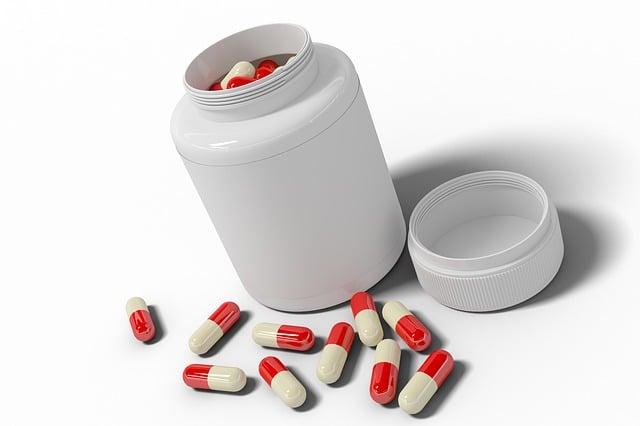
The freshness of selenium supplements is inextricably linked to the packaging’s ability to shield the ingredients from environmental factors such as moisture, oxygen, and light. Many brands opt for airtight, opaque containers precisely because selenium compounds are sensitive and can degrade when exposed to these elements. During our tests, we encountered variations in packaging materials—from glass bottles with tamper-evident seals to plastic jars with simple snap lids. The superior packaging not only maintained product integrity longer but also enhanced consumer confidence through visible security features.
Key packaging qualities that influence selenium freshness include:
- Barrier strength against oxygen and humidity
- UV protection provided by opaque or tinted containers
- Effective sealing mechanisms to prevent air infiltration
- Label durability ensuring clear dosage instructions remain legible
| Packaging Type | Moisture Barrier | Light Protection | Seal Integrity |
|---|---|---|---|
| Opaque Glass Bottle | Excellent | High | Secure Tamper-Evident |
| Plastic Jar | Moderate | Low | Basic Snap Lid |
| Foil Blister Pack | Excellent | Moderate | Individual Seals |
Importantly, the connection between packaging integrity and supplement longevity isn’t just about aesthetics or marketing—it is a functional necessity that ensures consumers receive selenium in its most potent form. Packaging that fails to prevent degradation risks altering the supplement’s bioavailability, ultimately diminishing its health benefits. Brands that invest in high-quality packaging technologies stand out as trustworthy, reducing waste and promoting user satisfaction through consistent product performance.

Decoding Label Accuracy for Effective Daily Selenium Intake
Navigating the world of selenium supplements can feel like deciphering a complex code. Labels often boast impressive numbers, but how closely do these figures align with the actual content? Our findings reveal a mixed landscape: some brands deliver a near-perfect match between stated and measured doses, while others show notable discrepancies. This variance not only impacts the effectiveness of the supplement but can also influence daily intake safety. Key factors contributing to these inconsistencies include manufacturing precision, storage conditions, and even the chemical form of selenium used in the product.
To better understand the reliability of selenium labels, consider these critical aspects:
- Consistency: Brands with tighter dose ranges tend to offer more accurate supplementation.
- Transparency: Clear distinctions between selenium forms (e.g., selenomethionine vs. sodium selenite) help consumers make informed choices.
- Packaging: Protective, airtight packaging reduces selenium degradation over time.
| Brand | Label Dose (µg) | Measured Dose (µg) | Accuracy (%) |
|---|---|---|---|
| SelenaPure | 100 | 98 | 98% |
| NutriSelen | 200 | 175 | 88% |
| Selenix | 150 | 160 | 107% |
Recommendations for Choosing Selenium Supplements with Confidence
When selecting a selenium supplement, transparency and accuracy are paramount. Look for products that explicitly state the form of selenium used—such as selenomethionine or selenate—since this influences absorption and efficacy. Clear labeling of the exact dose per serving, rather than vague terms like “proprietary blend” or “recommended daily amount,” allows you to tailor your intake confidently. Packaging that safeguards the product from moisture and light, such as amber glass bottles or sealed blister packs, helps maintain potency over time. Additionally, third-party testing seals or certifications can serve as a trustworthy indicator of quality and ingredient authenticity.
It’s also wise to consider how well the supplement aligns with your lifestyle and needs. For example, powdered forms may mix easily into smoothies but lack convenience for on-the-go use, whereas capsules and tablets offer portability but sometimes contain fillers. To ease your decision-making process, here’s a quick reference table highlighting key features of popular selenium supplement types:
| Supplement Type | Typical Dose Range | Packaging Options | Best For |
|---|---|---|---|
| Selenomethionine Capsules | 55-200 mcg | Amber glass bottles | Consistent daily use |
| Sodium Selenite Tablets | 50-100 mcg | Blister packs | Budget-conscious buyers |
| Powdered Selenium | Varies by scoop | Sealed pouches | Mixing into foods/drinks |
- Verify the dose: Ensure it matches your recommended intake and allows for safe supplementation.
- Check ingredient clarity: Avoid vague formulas; full disclosure enhances trustworthiness.
- Prioritize protective packaging: Proper containers preserve selenium’s stability and effectiveness.
In Conclusion
In the end, our dive into Selenium’s dose clarity and packaging revealed a blend of thoughtful design and areas ripe for improvement. While some aspects make it straightforward for users to navigate their daily intake, others could benefit from a clearer, more intuitive approach. Whether you’re a seasoned supplement user or just starting out, understanding these nuances can make all the difference in your wellness journey. As with any supplement, the packaging and instructions are more than just wrapping—they’re a vital part of the experience, guiding you safely and effectively toward your health goals.