

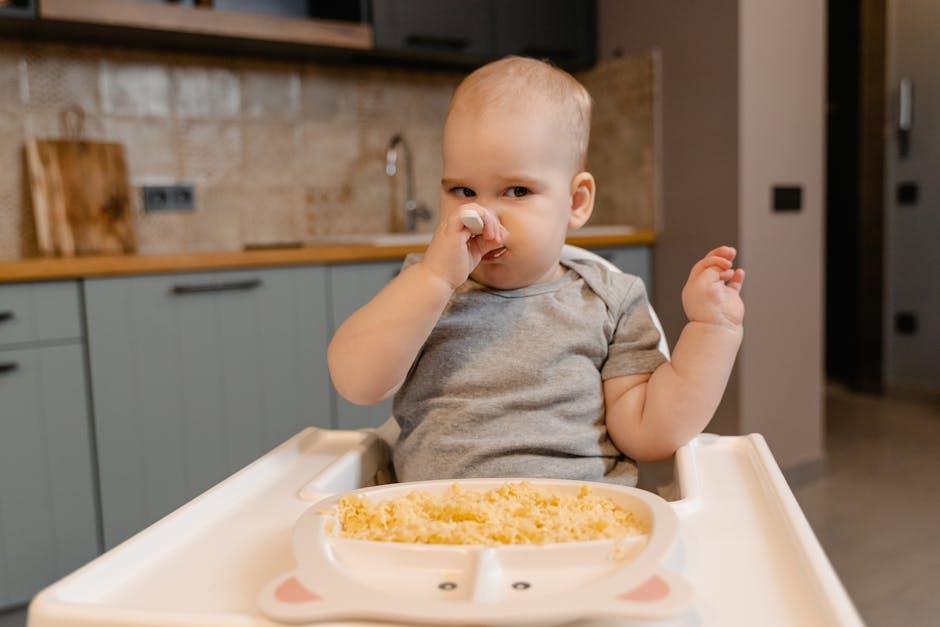
Introducing a seemingly simple tool that plays a crucial role in early childhood feeding, baby spoons are anything but ordinary. Designed to navigate tiny mouths and curious taste buds, these miniature utensils must balance comfort, safety, and functionality. In our hands-on exploration, we put a variety of baby spoons to the test—evaluating their flexibility, resistance to gag reflexes, and ease of grip. Whether you’re a new parent or a seasoned caregiver, understanding the subtle differences can make mealtime smoother for both you and your little one. Join us as we dive into the world of baby spoons to discover which designs truly deliver.
Evaluating Flexibility for Safe and Comfortable Feeding
When it comes to feeding your little one, the spoon’s flexibility plays a crucial role in making mealtime both safe and enjoyable. A spoon too rigid might cause discomfort or even minor hurts inside a baby’s delicate mouth, while one that is too soft may feel flimsy and frustrating to use. Our team focused on finding that perfect balance, testing spoons that bend just enough to absorb pressure but still maintain their shape for easy scooping. This subtle flex ensures the spoon adapts gently to the baby’s mouth, reducing the risk of accidental pokes or scratches during those unpredictable first bites.
Alongside flexibility, we also evaluated the spoons for their grip and gag resistance—two vital features for any parent concerned about safe feeding. Ergonomically designed handles with non-slip textures allowed for confident, steady control in one hand. Meanwhile, the spoon’s tip was crafted to minimize choking hazards by offering a shallow bowl that’s just right for small mouths. Below is a quick comparison of the spoons’ flexibility ratings and their corresponding safety features:
| Spoon Model | Flexibility | Handle Grip | Gag Resistance |
|---|---|---|---|
| SoftBite | Medium Flex | Textured Silicone | High |
| FlexiFeed | High Flex | Ergonomic Contour | Medium |
| SteadyScooper | Low Flex | Rubberized Grip | High |

Understanding Gag Resistance Features for Peace of Mind
When it comes to baby spoons, a key feature that brings peace of mind is effective gag resistance. This design aspect is thoughtfully engineered to minimize choking hazards by limiting the depth and shape of the spoon’s bowl, ensuring it doesn’t go too far back into the baby’s mouth. Many spoons incorporate flexible tips made from soft silicone that adapt gently to a baby’s gums, reducing the likelihood of triggering the gag reflex. This flexibility also doubles as a safety cushion during mealtime exploration, letting babies self-feed without discomfort or risk.
Key gag resistance features to look for include:
- Shallow, rounded spoon bowls that prevent deep insertion
- Soft, supple materials like food-grade silicone for gentle contact
- Ergonomic handles designed to control feeding depth
- Built-in stops or collars to act as physical barriers
| Feature | Benefit | Example Material |
|---|---|---|
| Flexible Tip | Soft on gums, reduces gagging | Silicone |
| Shallow Bowl | Prevents deep insertion | Polypropylene |
| Stop Collar | Physical barrier for safety | Rubber |
Grip and Handle Design: Enhancing Control for Parents
When it comes to baby spoons, a parent’s grip is just as crucial as the softness of the spoon’s tip. Ergonomically designed handles bring peace of mind by reducing wrist strain during those sometimes lengthy feeding sessions. We found that spoons with thicker, contoured handles made from soft, non-slip materials offered superior control, especially for parents who are multitasking or feeding on the go. Features like slight curves or rubberized grips prevented slipping even if little fingers or messy palms got involved, ensuring a steady hand and fewer spills.
Beyond shape and texture, thoughtful design elements add to the ease of use without compromising safety. For example, lightweight spoons with balanced weight distribution allowed parents to maneuver effortlessly, while some handles incorporated tactile bumps and grooves that intuitively guided finger placement. Here’s a quick comparison of handle features that made feeding smoother for parents:
| Feature | Benefit | Example Spoons |
|---|---|---|
| Wide, contoured handle | Enhanced grip and less wrist fatigue | FlexiFeed, GentleGrip |
| Non-slip rubberized coating | Secure hold even with wet hands | SecureBite, GripEasy |
| Tactile bumps/grooves | Intuitive finger placement & control | FingerFit, SteadySpoon |

Top Baby Spoon Picks Based on Performance and Usability
Flexibility in a baby spoon isn’t just a luxury—it’s a necessity. Our top picks excelled with silicone tips that gently bend under pressure, reducing the likelihood of injury during those enthusiastic first feeding attempts. This feature also aids in scooping soft, slippery foods like purees without splattering, making feeding less messy and more controlled. Additionally, spoons that combine flexibility with a snug fit to the handle make transitioning from self-feeding to assisted feeding much smoother for both baby and parent.
When we looked at gag resistance and grip, ergonomics took center stage. Spoons with thicker, non-slip handles ensured a comfortable grasp for wobbly baby fingers, promoting independence. Meanwhile, rounded edges and shallow bowl designs minimized triggering the gag reflex, increasing mealtime enjoyment. Here’s a quick glance at some standout features we found across our favorites:
- Soft-Tip Flexibility: Protects sensitive gums and adapts to feeding angles.
- Ergonomic Handle: Encourages kid-friendly gripping and control.
- Shallow Bowl: Prevents choking and gagging.
- Dishwasher Safe: Simplifies post-meal cleanup.
| Brand | Flexibility | Grip Quality | Gag Resistance |
|---|---|---|---|
| FlexiFeeder | High | Ergonomic & textured | Excellent |
| SoftBite | Moderate | Soft, non-slip | Good |
| GripNGo | Low | Large, easy hold | Fair |
Final Thoughts
In the end, choosing the right baby spoon is more than just picking a pretty color or familiar brand—it’s about finding that perfect balance of flexibility, gag resistance, and grip that makes mealtime smoother for both baby and parent. Our hands-on testing revealed that the best spoons are those thoughtfully designed to meet the unique needs of little ones, turning everyday feeding into a gentler, more enjoyable experience. Whether you prioritize softness, safety, or ease of use, the right spoon can truly make a world of difference in your baby’s journey toward self-feeding. So next time you’re at the store or scrolling online, remember: a great baby spoon isn’t just a utensil—it’s a small tool that supports big milestones.