

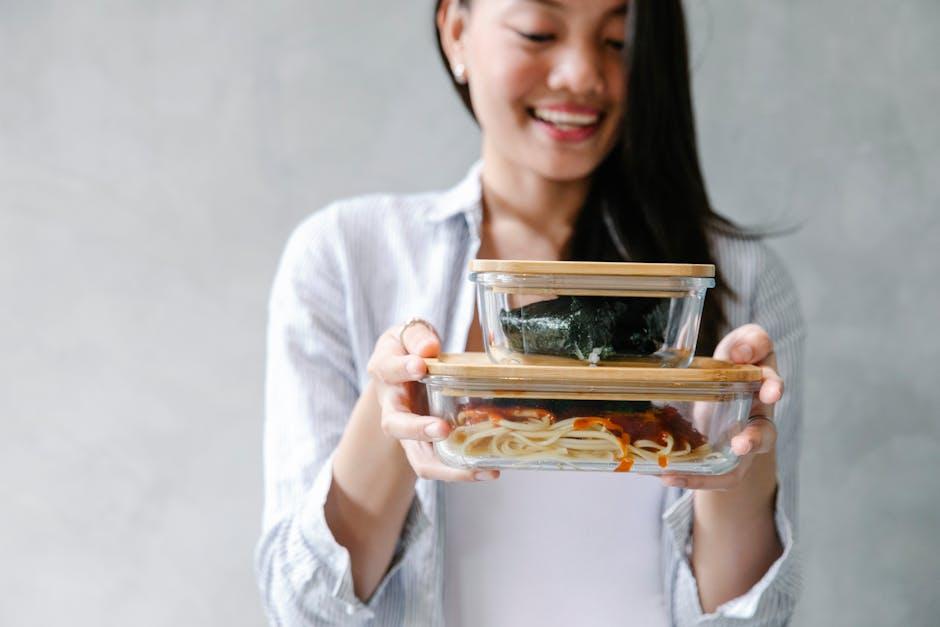
In the quest for convenient and sustainable meal prep, the humble container plays a starring role—yet not all containers are created equal. When it comes to storing your carefully prepared dishes, the debate often boils down to glass versus plastic. Beyond mere aesthetics or cost, factors like leaks, stains, and lingering smells can make or break your mealtime experience. In this article, we’ll explore how these materials stack up against each other, helping you make an informed choice for fresher, cleaner, and more enjoyable meals on the go.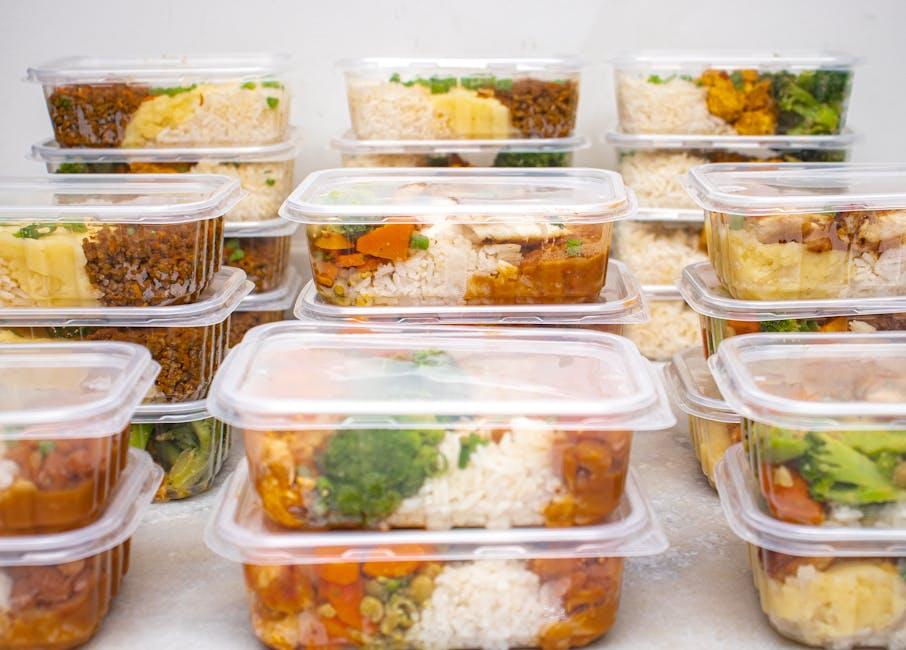
Comparing Leak Resistance and Durability in Glass and Plastic Containers
When it comes to preventing leaks, glass containers often have the upper hand due to their rigid, non-porous surfaces and tight-fitting lids. Their sturdy structure means you can confidently toss them in your bag without fearing unexpected spills. On the other hand, plastic containers, while lighter and more flexible, tend to warp over time, especially when exposed to heat, which can cause seals to loosen and increase leak risks. However, not all plastics are created equal—high-quality BPA-free options often feature silicone gaskets and locking mechanisms that improve their leak resistance significantly.
Durability is where the two materials sharply diverge. Glass may crack or shatter when dropped, but it resists scratching and staining far better than plastic. Plastic containers excel in their resilience to impact, making them less likely to break if knocked off a counter or dropped. Yet, plastic is more prone to wear and tear, such as scratching, which can harbor bacteria if not cleaned properly. Consider these factors:
- Glass: Scratch-resistant, stain-proof, but fragile upon impact.
- Plastic: Impact-resistant, lightweight, but prone to scratches and warping.
| Feature | Glass | Plastic |
|---|---|---|
| Leak Resistance | High (with tight lids) | Medium to High (varies by design) |
| Durability | Moderate (fragile but scratch-proof) | High (flexible but scratches easily) |
| Weight | Heavy | Lightweight |
| Heat Resistance | Excellent | Varies (can warp) |
Understanding Stain Persistence and How Each Material Holds Up Over Time
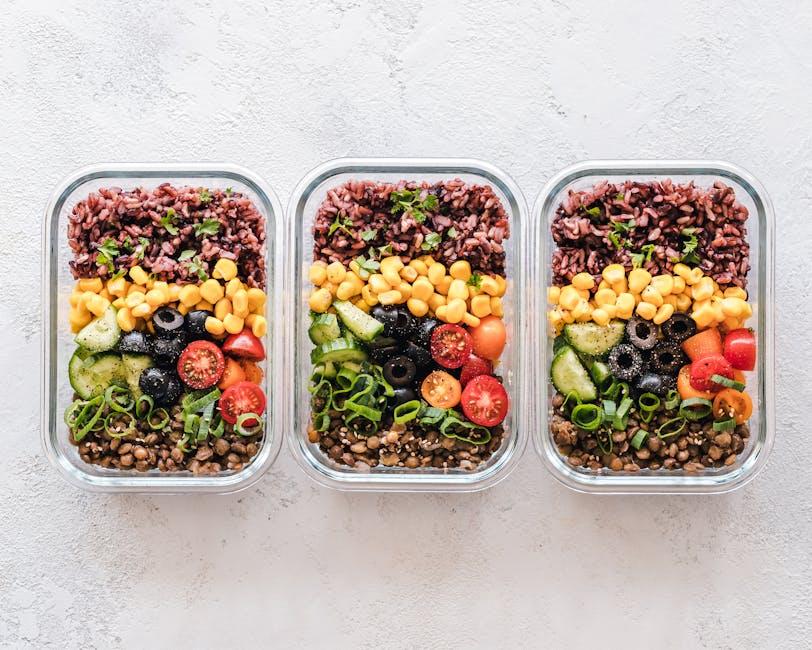
When it comes to maintaining the pristine look of your meal prep containers, stain resistance plays a pivotal role. Plastic containers are notorious for absorbing oils and vibrant colors from foods like tomato sauce, curry, or beets, which leads to persistent discoloration that even thorough washing can’t always fix. Over time, this staining not only diminishes the container’s aesthetic appeal but can also signal material degradation. Glass, on the other hand, boasts a non-porous surface that resists stains effectively. It doesn’t trap food particles or colorful pigments, ensuring that your containers remain crystal clear meal after meal. However, minor scratches on glass can sometimes make surfaces more susceptible to staining if not handled carefully.
Smell retention also varies significantly between glass and plastic, which directly affects the long-term usability of your containers. Plastic’s porous nature tends to soak up and hold onto odors from pungent foods, creating a lingering smell that’s tough to eliminate. Conversely, glass offers better odor resistance, allowing you to switch meals without the concern of flavorful ghosts from previous dishes. Below is a quick comparison table summarizing the key stain and odor persistence traits:
| Material | Stain Resistance | Odor Retention | Long-Term Appearance |
|---|---|---|---|
| Plastic | Low; prone to discoloration | High; absorbs strong scents | Fades and stains visible |
| Glass | High; virtually stain-free | Low; resists smells | Maintains clarity over time |
- Plastic requires more maintenance and replacement due to persistent staining and odors.
- Glass offers longevity with minimal aesthetic changes, making it a reliable investment.
Evaluating Smell Retention and Tips for Odor-Free Meal Storage
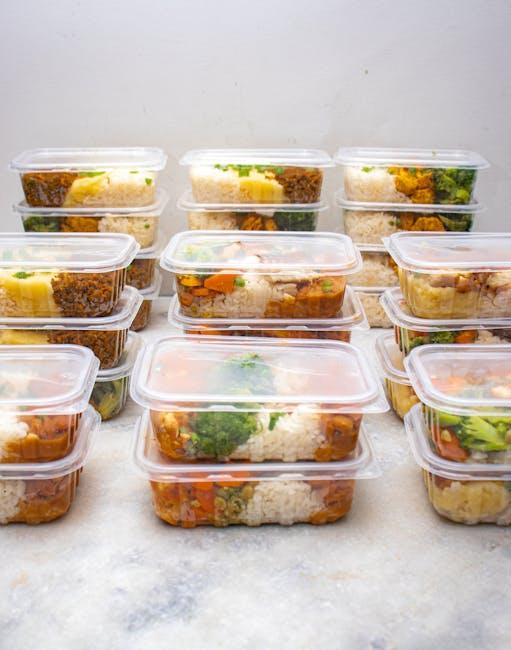
When it comes to maintaining the freshness of your meals, odor retention is a key factor that often influences container choice. Glass containers naturally resist absorbing smells, thanks to their non-porous surface, which means your containers stay neutral even after storing pungent foods like curry or garlic-based dishes. Plastic, however, tends to absorb and retain odors over time, which can lead to unpleasant smells lingering long after the original food is gone. This can impact not just your current meal but also whatever you store next, making it essential to carefully consider your storage habits.
To ensure your meal prep containers stay fresh and odor-free, try incorporating these simple yet effective tips:
- Use baking soda: Sprinkle a small amount inside the container and let it sit overnight to neutralize odors.
- Vinegar rinse: A quick wash with diluted white vinegar helps eliminate strong smells without harsh chemicals.
- Air drying: Make sure containers are fully dry before sealing to prevent musty smells from developing.
- Immediate cleaning: Avoid leaving containers soaking in leftovers too long, as this encourages odor absorption.
| Material | Odor Retention | Cleaning Tips |
|---|---|---|
| Glass | Low | Baking soda soak; vinegar rinse |
| Plastic | High | Use baking soda regularly; avoid soaking |
Choosing the Right Container Based on Lifestyle and Food Storage Needs
When selecting the ideal meal prep container, it’s essential to consider your daily routine and how you intend to use them. For those constantly on-the-go, choosing containers that offer reliable leak-proof seals can prevent unexpected messes in bags or lunchboxes. Plastic containers often shine here due to their lightweight and flexible lids, making them a favorite among commuters and gym enthusiasts. Conversely, if you’re someone who values durability and plan to store meals in the fridge or freezer for extended periods, glass containers can be a better bet, resisting stains and odors over time.
Moreover, think about the types of foods you typically store and how they interact with container materials. Acidic meals like tomato-based sauces or curries may cause plastic to retain strong smells or develop discoloration, whereas glass naturally resists these issues. Below is a quick comparison to help match your lifestyle with container features:
| Lifestyle Factor | Plastic Containers | Glass Containers |
|---|---|---|
| Weight Preference | Light & Travel-Friendly | Heavier but Sturdy |
| Leak Resistance | Excellent with modern seals | Good but heavier lids |
| Stain & Odor Retention | Prone to both | Minimal |
| Microwave & Oven Use | Microwave safe, no oven | Safe for Both |
Insights and Conclusions
In the end, choosing between glass and plastic meal prep containers boils down to your unique priorities and lifestyle. Glass offers a sturdy, stain-resistant haven for your meals, minimizing leaks and lingering odors with ease—while plastic brings lightweight convenience and versatility to the table, sometimes at the cost of stubborn smells or discoloration. Whether you lean toward the timeless durability of glass or the practical flexibility of plastic, understanding these trade-offs ensures your meal prep experience stays fresh, mess-free, and perfectly suited to your daily rhythm. After all, the best container is the one that fits seamlessly into your kitchen—and your life.