

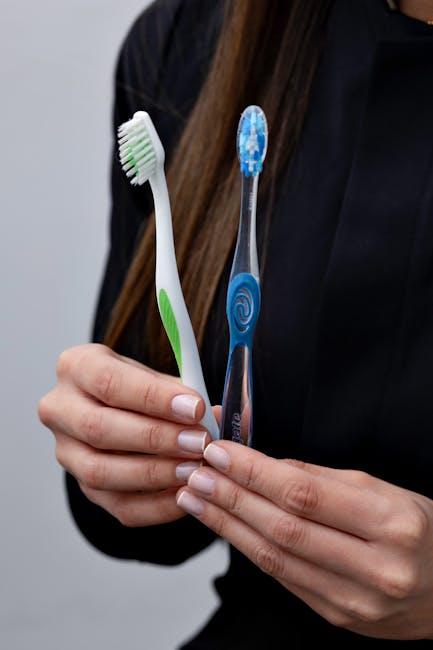
In the quest for a brighter smile and healthier gums, the humble toothbrush has evolved into a gadget of choice for many – but does technology truly outshine tradition? Over the course of two weeks, a side-by-side comparison was conducted to discover which tool leaves your mouth feeling fresher: the sleek, buzzing electric toothbrush or the classic, dependable manual brush. Join us as we explore the sensations, effectiveness, and overall experience of both contenders in this clean sweep showdown.
Electric Toothbrush or Manual Which One Delivers a Fresher Feeling
After two weeks of switching between an electric toothbrush and a manual one, the sensation of freshness on the teeth and gums varied notably. The electric brush consistently delivered a cleaner feel, owing mostly to its rapid, pulsating strokes that reached places a manual brush often missed. Users reported a pleasant tingling sensation, paired with a smoother tooth surface, which lingered longer throughout the day. Conversely, manual brushing required more effort and focus to achieve a comparable level of cleanliness, and the feeling of freshness tended to fade sooner.
Several factors contributed to this difference:
- Motion Consistency: Electric brushes provide steady, even movements.
- Pressure Sensors: Many electric models prevent over-brushing, enhancing comfort and gum health.
- Ease of Use: Less technique-dependent, making it easier to cover all areas effectively.
The table below summarizes key elements that influence the freshness factor between these two brushing methods.
| Aspect | Electric Toothbrush | Manual Toothbrush |
|---|---|---|
| Brushing Efficiency | High – consistent, automated strokes | Variable – depends on user’s technique |
| Feeling of Freshness | Long-lasting tingling sensation | Fades quicker after brushing |
| Effort Required | Low – guided brushing | High – manual control needed |
| Gum Comfort | Sensitive pressure control prevents damage | Risk of over-scrubbing |
Understanding the Science Behind Clean Teeth Sensations
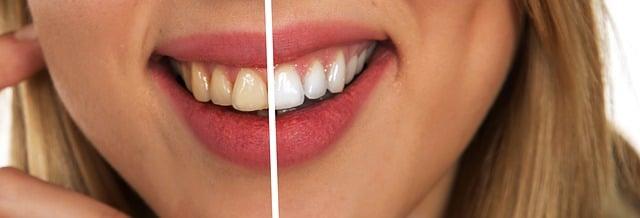
When it comes to the sensation of truly clean teeth, science points to more than just visible cleanliness; it’s about the removal of bacterial plaque and stimulation of gums. Electric toothbrushes utilize high-frequency vibrations or rotations, which can reach difficult areas with consistent precision. This mechanical action disrupts plaque more effectively than the back-and-forth motion of manual brushing. Meanwhile, manual brushing relies heavily on user technique, pressure, and timing, which introduces variability in the cleaning experience. The heightened sensory input from electric brushes often results in a tingling freshness and smoothness that people describe as a “deep clean,” whereas manual brushes tend to feel less intense but still effective if used properly.
Key factors influencing that clean feeling include:
- Brushing speed – electric brushes deliver thousands of strokes per minute compared to manual strokes per second.
- Brush head design – specially contoured heads reach crevices around gums and between teeth more easily.
- Pressure sensors – many electric models prevent harsh brushing, protecting gums while ensuring thorough plaque removal.
- Stimulated blood flow – vibrations improve gum circulation, which contributes to a healthier mouth feel.
| Aspect | Electric Toothbrush | Manual Toothbrush |
|---|---|---|
| Average brush strokes/minute | 30,000 – 40,000 | 150 – 300 |
| Pressure Regulation | Automatic sensors | User dependent |
| Gum Stimulation | High (due to vibrations) | Low to Moderate |
| Plaque Removal | Consistent and detailed | Variable |
Daily Use Experience Comparing Comfort and Efficiency
Throughout the two weeks, the comfort level of using both toothbrushes proved to be noticeably different. The electric toothbrush offered a gentle vibration that almost felt like a professional cleaning session at home, reducing the effort needed to cover every tooth surface thoroughly. The ergonomic handle and lighter brushing pressure made the experience less tiring, especially during morning routines. On the other hand, the manual brush required more conscious effort and precision to achieve similar coverage, sometimes leading to minor gum discomfort when applying too much pressure.
When it came to efficiency, the electric model consistently outperformed the manual brush in terms of time and thoroughness. In just two minutes, the rotating bristles seemed to reach crevices and plaque build-up more effectively. The manual brush, while adjustable in technique, demanded longer time and focus, which occasionally resulted in uneven cleaning. Below is a quick comparison of the daily routine with each toothbrush:
| Aspect | Electric Toothbrush | Manual Toothbrush |
|---|---|---|
| Brushing Time | 2 minutes (auto timer) | 3-4 minutes (manual tracking) |
| Effort Required | Minimal, just guide the brush | High, manual strokes & pressure needed |
| Comfort Level | Consistent gentle vibration | Varies; can cause gum irritation |
| Plaque Removal | High, especially in hard-to-reach areas | Moderate, technique dependent |
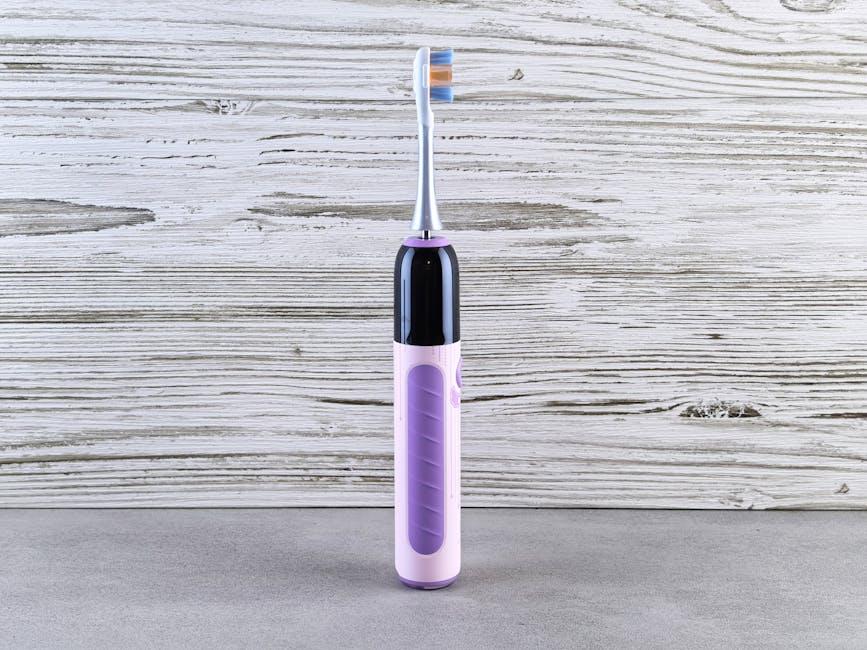
Choosing the Right Toothbrush Based on Personal Comfort and Results
Finding the perfect toothbrush ultimately boils down to how it feels in your hand and how effectively it cleans your teeth. While electric brushes offer a high-tech buzz with timed pulses and oscillations, some users feel they are too intense or bulky. On the flip side, manual toothbrushes provide complete control over pressure and motion, making them ideal for those who prefer a gentle, familiar touch. Comfort is key—whether it’s the grip, bristle softness, or brush head size, these details affect how consistently and thoroughly you brush. For example, those with sensitive gums may benefit more from a soft-bristled manual brush, while others might enjoy the automation and consistent pressure an electric toothbrush delivers.
Results vary by individual preferences, but here’s a quick comparison of key comfort and outcome factors we tracked during the test:
| Factor | Electric Toothbrush | Manual Toothbrush |
|---|---|---|
| Ease of Use | Hands-free motion, timer alerts | Full manual control |
| Comfort | May feel bulky for some | Custom grip and pressure |
| Cleaning Efficiency | Consistent, thorough pulses | Varies by technique |
| Gum Sensitivity | Can be too strong initially | Often gentler by default |
- Tip: Try both with different bristle types and brush heads to see which suits your mouth shape and sensitivity.
- Remember: The best brush is the one you enjoy using daily and that encourages proper technique.
In Retrospect
After two weeks of dedicated brushing and careful comparison, the verdict isn’t just about gadgets or tradition—it’s about the feel, the freshness, and ultimately, what fits best into your daily routine. Whether it’s the rhythmic buzz of an electric toothbrush or the familiar sweep of a manual one, each has its own way of leaving your mouth feeling clean. So, while technology offers convenience and precision, sometimes simplicity holds its own charm. In the end, the cleanest feeling comes from the habit you keep, no matter the tool in your hand.