

When it comes to bath time, toys add a splash of fun and keep little hands busy, transforming the tub into a playground. But beneath their colorful, bubbly surfaces lies a less delightful reality: mold. These seemingly harmless companions can quickly become breeding grounds for unwanted microorganisms, turning a joyful routine into a hygienic concern. In our quest to find the safest and easiest-to-clean bath toys, we rolled up our sleeves and put a range of popular options to the test. Join us as we explore which bath toys stand up to the challenge of mold risk and maintenance, helping parents make informed choices for both fun and cleanliness.
Evaluating Mold Vulnerability in Popular Bath Toys
Not all bath toys are created equal when it comes to mold growth. During our tests, we discovered that toys with hidden water chambers and narrow openings are the biggest culprits for harboring mold. These design quirks trap moisture and create a perfect breeding ground for bacteria and fungi. Conversely, toys made from solid, non-porous materials with wide openings drastically reduce moisture retention and make drying a breeze. Material type and design proved to be the key factors influencing mold vulnerability.
- Soft silicone toys: Resistant to mold but can retain some water if not fully dried.
- Hollow plastic toys: High risk, especially with small holes.
- Solid rubber toys: Less mold growth due to lack of internal cavities.
- Open designs: Facilitate quick drying and reduce risk.
| Toy Type | Mold Risk | Cleaning Ease | Drying Time |
|---|---|---|---|
| Hollow Rubber Duck | High | Moderate | 2 Days |
| Solid Silicone Whale | Low | Easy | Few Hours |
| Open Sponge Boat | Moderate | Easy | 1 Day |
Materials and Design Elements That Promote Hygiene
When it comes to choosing bath toys that minimize mold growth and simplify cleaning, the right materials are crucial. Toys made from non-porous silicone or solid plastic stand out for their resistance to water absorption, which significantly reduces the risk of mold development. These materials don’t trap moisture within tiny crevices, unlike porous foams or rubber. Additionally, bath toys featuring seamless designs or flat surfaces without intricate textures are less likely to harbor dirt and bacteria, making them a breeze to rinse and dry thoroughly after each use.
Design elements also play a significant role in hygiene maintenance. Toys with wide openings or completely sealed bodies prevent water from collecting inside, drastically cutting down mold risk. Features such as detachable parts or smooth curves promote efficient cleaning, allowing parents to wipe away residue or even run toys through dishwasher cycles safely. Below is a quick comparison of common bath toy materials and their hygiene benefits:
| Material | Hygiene Benefit | Cleaning Ease |
|---|---|---|
| Non-porous Silicone | Resists moisture retention | Quick rinse, dishwasher safe |
| Solid Plastic | Seamless design prevents mold | Easy wipe, dishwasher safe |
| Rubber Foam | Absorbs water, prone to mold | Requires thorough drying |
Effective Cleaning Techniques to Prevent Mold Growth
To keep bath toys safe and mold-free, routine maintenance is crucial. After each use, squeeze out any trapped water and dry the toys thoroughly. This simple step eliminates the moist environment mold thrives on. For a deeper clean, submerge the toys in a vinegar and water solution (1:1 ratio) for about 15 minutes—this natural disinfectant breaks down mold spores without harsh chemicals. Be sure to rinse thoroughly and let them air dry in a well-ventilated area. Avoid storing toys in damp containers or closed bags, as restricted airflow accelerates mold growth.
Incorporating these habits into your routine will significantly reduce mold risks:
- Use a small brush to clean hard-to-reach areas and toy openings where water collects.
- Freeze bath toys occasionally to kill stubborn mold spores, then wash and dry as usual.
- Rotate toys regularly to ensure each one dries completely between uses.
- Inspect toys weekly for visible signs of mold or discoloration and discard if necessary.
| Cleaning Method | Effectiveness | Time Required | Recommended Frequency |
|---|---|---|---|
| Vinegar Soak | High | 15 mins | Weekly |
| Freezing | Medium | Overnight | Monthly |
| Brush Cleaning | High | 5 mins | After Every Use |
| Dishwasher Cycle | Medium | 30 mins | Biweekly |
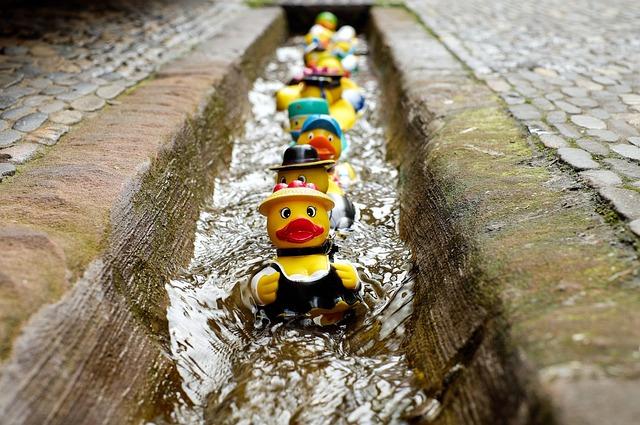
Top Bath Toy Recommendations for Safe and Easy Maintenance
When it comes to keeping bath time fun without compromising on hygiene, selecting toys that resist mold and are a breeze to clean is essential. Our favorites feature simple designs with minimal crevices where water can hide, drastically reducing mold buildup. Look for toys made from solid silicone or hard plastics that dry quickly after each use. Many parents swear by open-bottomed toys or those designed with removable parts, allowing you to give them a thorough rinse and air-dry efficiently. Additionally, straightforward wiping with vinegar solution or a mild bleach soak can maintain their freshness without damaging the material.
Consider these top attributes for safe, easy-maintenance bath toys:
- Non-porous materials like silicone or EVA foam
- Seamless construction or limited openings
- Quick-drying surfaces
- Removable or dishwasher-safe components
- Antimicrobial coatings where available
| Bath Toy | Material | Mold Risk | Cleaning Ease |
|---|---|---|---|
| Squirt Fish | Silicone | Low | Easy (dishwasher-safe) |
| Floating Blocks | EVA Foam | Very Low | Quick rinse, air dry |
| Stacking Cups | Hard Plastic | Medium (open bottoms) | Easy with periodic vinegar soak |
| Bath Toy Boat | Plastic with removable parts | Low | Moderate (disassemble required) |
Final Thoughts
After diving into the world of bath toys, it’s clear that while they bring joy and splashy fun to bath time, they can also harbor unwanted guests like mold if not cleaned properly. Our tests have highlighted the importance of selecting toys made from mold-resistant materials and designing routines that make cleaning straightforward and effective. Ultimately, a little care goes a long way in keeping bath time both safe and enjoyable. So next time you reach for that squirty duck, remember: the best bath toy is one that stays fresh and friendly for every splash.