


When it comes to keeping little ones healthy, vitamins often play a starring role—promising to fill nutritional gaps with a daily dose of goodness. But beyond the labels and bright packaging lies a secret that parents might not always notice: the sugar content and texture of these supplements. Are those cheerful gummies truly as sweet as they seem? Do tablets crumble easily or pose a choking risk? In this article, we put a variety of popular kids’ vitamins to the test, examining their sugar levels and textures to help you make informed choices that balance health with enjoyment. Let’s dive in and see what’s really inside those colorful bottles.
Evaluating Sugar Levels in Popular Kids Vitamins
When it comes to kids’ vitamins, sugar content can be surprisingly high, often rivaling that of popular candies. Our testing revealed that many well-known brands include added sugars or sweet syrups to mask the natural bitterness of essential nutrients. This not only raises concerns for dental health but also impacts daily sugar intake, especially for children who already consume sugary snacks. Brands varied extensively, with some containing as little as 1 gram of sugar per serving, while others topped out at over 5 grams, a notable difference for parents monitoring their child’s nutrition.
Beyond just numbers, the source of sugar also matters. Some vitamins use organic cane sugar or natural fruit extracts, while others rely on high fructose corn syrup or artificial sweeteners. This diversity affects not only the health implications but also the texture and flavor profile of the vitamin. Key observations include:
- Stickiness: Higher sugar variants tended to be stickier, sometimes leaving residue on fingers or teeth.
- Flavor Sweetness: Natural fruit extracts provided a smoother sweetness compared to artificial additives.
- Aftertaste: Some sugar-free options had a noticeable bitter aftertaste, which might affect a child’s willingness to take them.
| Brand | Sugar Content per Serving (g) | Sweetener Type | Texture Notes |
|---|---|---|---|
| VitaMini | 1.2 | Organic Cane Sugar | Soft, slightly sticky |
| NutriBright | 4.8 | High Fructose Corn Syrup | Sticky, leaves residue |
| HappyKids | 0 | None (Sugar-Free) | Slightly chalky, bitter aftertaste |
| ChewyBears | 3.5 | Natural Fruit Extracts | Chewy, smooth flavor |
Texture and Taste Experience Through the Eyes of Children
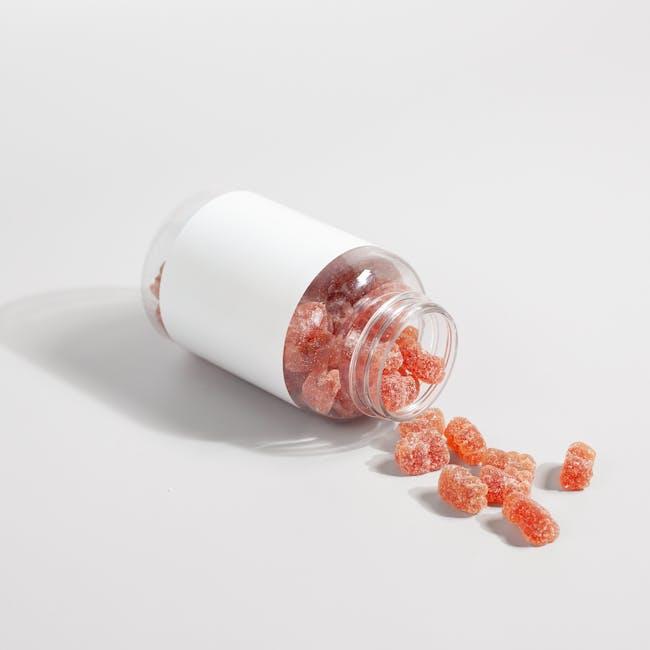
When it comes to vitamins, kids aren’t just little nutrition calculators — they’re discerning taste testers whose preferences can make or break a daily routine. Our young panelists immediately noticed differences in chewiness, smoothness, and stickiness. Some gummies dissolved quickly, making the experience almost like a sweet treat, while others lingered longer, occasionally leading to complaints about an odd “powdery” aftertaste. Texture was a dealbreaker for many, as a gummy that was too tough or sticky often led to “I don’t want to eat that again” verdicts.
- Soft and jelly-like: Most popular among younger children who preferred the ease of chewing.
- Chewy with resistance: Enjoyed by older kids but sometimes frustrating for the little ones.
- Powdery or chalky: Almost unanimously disliked and often left unfinished.
Taste preferences revealed a clear divide between those who liked fruity sweetness and those who preferred milder, less sugary flavors. The winners balanced sweetness without being overpowering, offering a refreshing burst that wasn’t cloying. Interestingly, natural fruit flavors edged out artificial ones, although it was the combination of taste and texture that ultimately won the day. The following table summarizes some of the key findings from the texture and taste tests:
| Vitamin Brand | Texture | Taste Appeal | Kid’s Favorite |
|---|---|---|---|
| SunnyChews | Soft & Jelly-like | Fruity & Sweet | 👍👍👍 |
| BerryMax | Chewy with resistance | Mild & Natural | 👍👍 |
| HealthPop | Powdery | Too Sweet & Artificial | 👎 |
| VitaFun | Soft & Slightly Sticky | Balanced Sweetness | 👍👍👍 |
Health Implications of Excess Sugar in Children’s Supplements
When children consume supplements with high sugar levels, it’s more than just a sweet treat—it can lead to a range of health concerns. Excess sugar intake in young bodies is linked with increased risks of obesity, dental cavities, and fluctuating energy levels that can affect concentration and behavior. Moreover, sugar-laden vitamins can unintentionally contribute to daily sugar limits, making it harder for parents to control their child’s overall nutritional balance. It’s essential to scrutinize not only the vitamin content but also the hidden sugars that might be packaged alongside essential nutrients.
Health experts caution that too much sugar in supplements can:
- Disrupt metabolic functions and insulin sensitivity
- Promote tooth decay, particularly harmful in developing teeth
- Create dependency on sweet flavors, making healthy foods less appealing
- Cause hyperactivity or energy crashes in sensitive children
| Effect | Possible Outcome |
|---|---|
| High Sugar Intake | Increased Obesity Risk |
| Frequent Sugar Exposure | Dental Cavities |
| Blood Sugar Fluctuation | Energy Crashes |
Choosing the Best Kids Vitamin Based on Taste and Nutrition
When selecting a vitamin for kids, the ideal balance between taste and nutrition is crucial — after all, a supplement that tastes like a treat is more likely to become a daily habit. We discovered that gummies often lead the pack in flavor, with fruity notes ranging from tangy orange to sweet strawberry, but they can sometimes be laden with extra sugars. Chewables and liquids offer a more neutral taste profile and generally contain fewer added sweeteners, yet might feel less enjoyable to the young palate. Considering texture, softer gummies tend to be better accepted by toddlers, while slightly firmer tablets can be a good fit for older children who don’t mind a chew.
Beyond just taste and texture, it’s vital to consider the nutritional punch each vitamin packs. Some brands load up on essential nutrients like Vitamin D, Calcium, and Iron, while others emphasize natural flavorings and minimal additives. Below is a quick comparison of popular vitamin types to help you weigh your options:
- Gummies: Sweet, chewy, often higher sugar content
- Chewables: Mild flavor, moderate texture, balanced nutrition
- Liquids: Easy to swallow, customizable dose, minimal texture
| Vitamin Type | Sugar Content (per serving) | Texture | Nutrition Highlights |
|---|---|---|---|
| Gummies | 4-6g | Soft, chewy | Vitamin C, D, Zinc |
| Chewables | 1-3g | Firm, tablet-like | Calcium, Iron, Vitamin B12 |
| Liquids | 0-1g | Smooth, no chew | Vitamin A, D, Multiminerals |
The Way Forward
In the end, choosing the right kids’ vitamin is about more than just flavors and fun shapes—it’s a delicate balance of nutrition, sugar content, and how easily little ones can enjoy their daily dose. Our taste tests and sugar comparisons aim to shed light on what’s inside those colorful bottles, helping parents make informed decisions without the guesswork. After all, when it comes to our children’s health, a thoughtful choice today can lead to brighter, healthier tomorrows—one chewable vitamin at a time.