


In a world where self-care rituals have become daily sanctuaries, the humble body scrub holds a cherished spot on our bathroom shelves. Promising radiant skin and a renewed glow, these exfoliating wonders can transform dullness into smoothness with a few simple strokes. But beneath their fragrant allure lies a delicate balancing act: how to slough away dead skin without inflicting unseen micro-tears that compromise the skin’s integrity. To help you navigate this fine line, we put a variety of body scrubs to the test, seeking formulas that deliver a truly gentle yet effective polish—smooth skin without the hidden damage. Join us as we uncover which scrubs rise to the occasion, proving that exfoliation doesn’t have to come at a cost.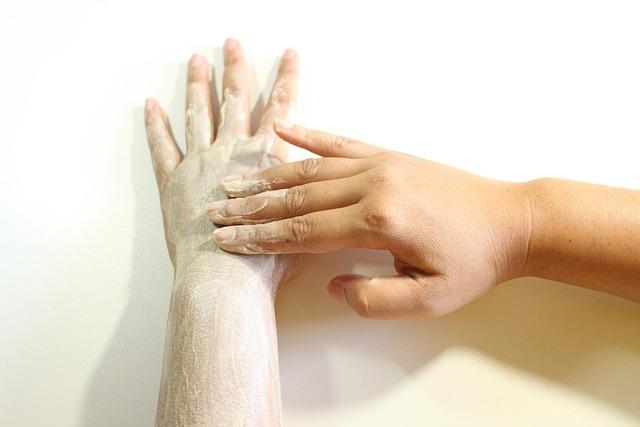
Evaluating Texture and Exfoliation Power for Gentle Smoothness
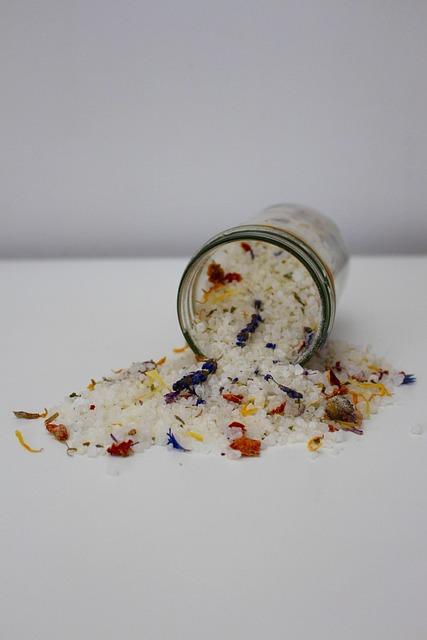
Finding the perfect balance between effective exfoliation and skin-friendly texture can be a delicate dance. We focused on scrubs that gently whisk away dead skin without leaving behind the scratchy aftermath typical of more abrasive formulas. Our top contenders featured particles that were finely milled or plant-based granules that dissolved quickly on contact, delivering smoothness without harsh friction. These textures ensured that skin felt refreshed and polished, yet never irritated or exposed to micro-tears that can compromise the skin barrier.
Key factors we observed included:
- Particle size and shape — smaller, round granules proved kinder on delicate skin
- Formula hydration — scrubs packed with moisturizing agents helped reduce roughness
- Absorption rate — quick melting particles minimized skin tugging
| Scrub Type | Texture Feel | Exfoliation Power | Post-Scrub Skin |
|---|---|---|---|
| Rice Powder | Silky, fine | Moderate | Soft, soothed |
| Hemp Seed | Round grains | Gentle | Polished, hydrated |
| Oat Bran | Velvety | Mild | Calm, smooth |
Ingredients That Promote Skin Health Without Damage
When it comes to achieving that coveted silky complexion, choosing the right ingredients is essential. Favoring natural exfoliants like jojoba beads and rice powder allows your skin to shed dead cells gently without the harsh abrasions often caused by plastic microbeads. Antioxidant-rich components such as green tea extract and vitamin E offer a protective barrier, calming inflammation while boosting the skin’s natural repair mechanisms. These ingredients work synergistically, ensuring your skin feels refreshed, not raw, post-scrub.
Moisturizing agents play a pivotal role in maintaining skin’s suppleness and preventing micro-tears. Look out for scrubs that feature aloe vera, shea butter, or hyaluronic acid, which replenish hydration and lock in moisture during exfoliation. Below is a quick reference table highlighting some of the best ingredients for skin-friendly exfoliation:
| Ingredient | Benefit | Texture |
|---|---|---|
| Jojoba Beads | Gentle exfoliation, biodegradable | Fine, smooth |
| Green Tea Extract | Antioxidant, anti-inflammatory | Liquid infusion |
| Rice Powder | Brightens, smooths surface | Fine powder |
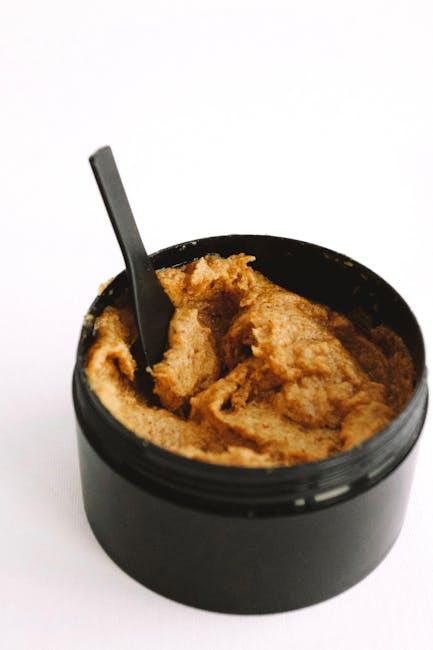
| Shea Butter | Hydrating, soothing | Creamy, rich |
Comparing Natural versus Synthetic Scrubbing Agents
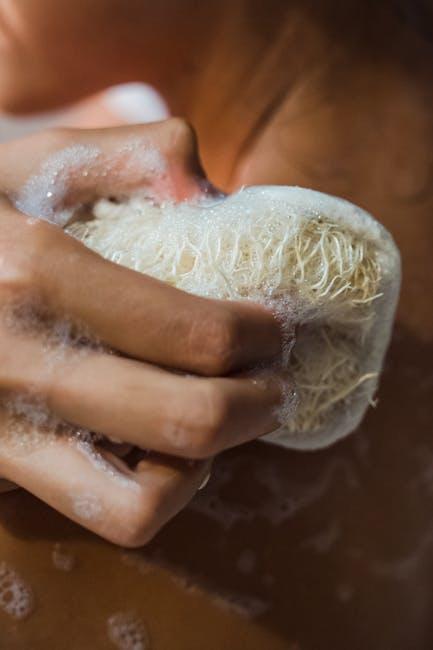
When it comes to exfoliation, the choice between natural and synthetic scrubbing agents is more than just a matter of preference—it’s about how your skin reacts and recovers. Natural scrubs, often crafted from ingredients like finely ground walnut shells, oatmeal, or coffee grounds, tend to offer a gentler exfoliation experience. Their organic textures work to buff away dead skin cells without abrasive sharp edges, promoting smoothness while minimizing the risk of micro-tears. Additionally, these natural agents usually come with added skin benefits, such as antioxidants or anti-inflammatory properties, making them a holistic choice for those seeking nourishment alongside exfoliation.
On the flip side, synthetic scrubbing particles, typically made from materials like polyethylene beads or microcrystalline wax, provide uniform granularity, which can feel more consistent in use but might be harsher on sensitive skin. While their precision and stability make them attractive for industrial formulations, concerns about skin damage and environmental impact linger. Below is a brief comparison to help visualize the trade-offs:
| Feature | Natural Agents | Synthetic Agents |
|---|---|---|
| Texture | Irregular, soft edges | Uniform, sometimes sharp |
| Skin Impact | Gentle, nourishing | Potential micro-tears |
| Environmental Effect | Biodegradable | Non-biodegradable |
| Additional Benefits | Antioxidants, vitamins | None |
- Natural scrubs support eco-friendliness and skin health.
- Synthetic scrubs offer consistency but pose environmental concerns.
- Choosing your ideal scrub depends on balancing skin sensitivity with exfoliation goals.
Top Picks for Sensitive Skin That Avoid Micro-Tears
Choosing the right body scrub for sensitive skin means prioritizing gentle exfoliation that restores softness without compromising your skin’s natural barrier. Ingredients like finely ground sugar, jojoba beads, and nourishing plant oils create a texture that buffs away dullness smoothly—never harshly. Look for formulas enriched with soothing agents such as aloe vera, chamomile, or oat extract, which work wonders in calming irritation after exfoliation. These scrubs deliver a refined glow while respecting the delicate sensitivity of your skin.
To help you find your new favorite, here’s a curated selection of top-performing scrubs proven to avoid micro-tears, supported by gentle yet effective exfoliants. Each option is designed to promote healthy skin renewal with minimal friction and maximum care—perfect if your skin tends to redden or react quickly.
- Silky Smooth Sugar Scrub – Fine sugar crystals with coconut oil blend for hydration plus exfoliation.
- Jojoba Bead Soothing Polish – Biodegradable jojoba beads and oat kernel extract repair skin’s texture.
- Chamomile & Aloe Calming Salt Scrub – Ultra-soft sea salts mixed with calming botanicals for sensitive skins.
| Scrub | Exfoliant Type | Key Soothing Ingredient | Skin Benefit |
|---|---|---|---|
| Silky Smooth Sugar | Fine Sugar Crystals | Coconut Oil | Hydrates, gently exfoliates |
| Jojoba Bead Polish | Jojoba Beads | Oat Kernel Extract | Repairs texture, calms |
| Chamomile & Aloe | Soft Sea Salt | Chamomile | Reduces redness, soothes |
In Conclusion
In the pursuit of silky, smooth skin, not all scrubs are created equal. Our tests revealed that it’s possible to achieve that coveted softness without compromising the skin’s delicate barrier with harsh micro-tears. Whether you prefer gentle exfoliants or innovative formulas, the key lies in choosing products that respect your skin’s natural texture while delivering effective exfoliation. As you explore the world of body scrubs, remember that true smoothness comes from nurturing, not harming—so your skin can glow, feel healthy, and stay resilient day after day.