

In the quest for convenient, healthy eating, meal prep containers have become kitchen essentials for many. But with countless options crowding the market, how can you be sure which containers truly deliver on their promises? We rolled up our sleeves and put a variety of popular meal prep containers to the test—focusing on two crucial features: leak proofing and microwave safety. Whether you’re packing a lunch to go or reheating last night’s dinner, these factors can make all the difference. Join us as we dive into the results, separating the reliable from the risky, so you can prep with confidence.
Evaluating Leak Proofing Performance Across Popular Meal Prep Containers
When it comes to keeping your meals fresh on the go, the container’s ability to prevent leaks is paramount. We subjected each container to a rigorous leak test, filling them with both thick sauces and watery soups, then shaking and tilting for several minutes. The results highlighted a clear distinction between snap-on lids and sealed-lock lids. Containers featuring silicone gaskets and locking mechanisms consistently outperformed their simpler counterparts by containing liquids with zero spillage, even when aggressively jostled inside backpacks or lunch bags.
In addition to the general leak testing, we examined factors that influence a container’s real-world utility such as ease of sealing, cleaning complexity, and durability of the sealing components over repeated use. Key takeaways include:
- Silicone-sealed lids offer superior leak proofing but sometimes require extra care during cleaning to avoid deterioration.
- Snap-on lids provide convenience but often compromise liquid tightness, making them less suitable for dressings or soups.
- Hybrid designs with both snap and lock features strike a balance between convenience and leak resistance.
| Container Type | Leakproof Rating | Recommended Use |
|---|---|---|
| Silicone gasket lock | ⭐⭐⭐⭐⭐ | Soups, saucy meals |
| Basic snap lid | ⭐⭐ | Dry or solid foods |
| Hybrid lock-snap | ⭐⭐⭐⭐ | Mixed meals with some sauces |
Assessing Microwave Safety and Heat Resistance for Everyday Use
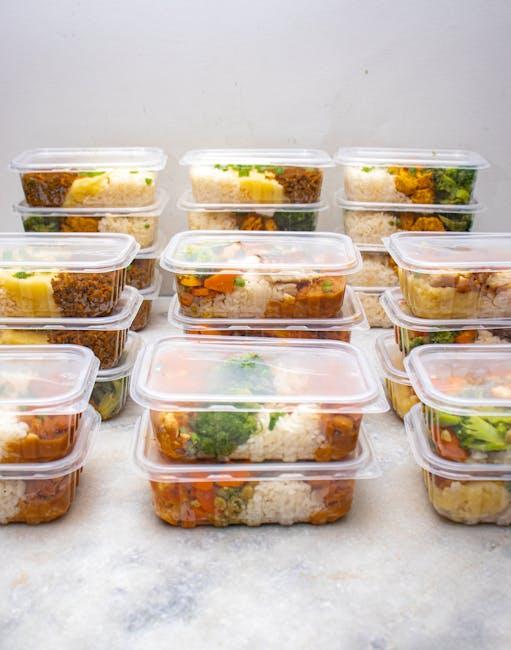
When choosing containers for daily meal prep, understanding how they respond to microwave heat is crucial. Not all plastics are created equal—some may warp, release harmful chemicals, or lose their structural integrity under high temperatures. We evaluated whether containers maintain their shape, seal, and safety after repeated microwave use, considering factors like heat distribution and BPA-free certification. Containers that boast microwave-safe labeling aren’t always created equal; testing their real-world performance is essential for peace of mind and food safety.
To help visualize heat resistance and safety features, here’s a snapshot comparison of container materials and their performance in microwave tests:
| Material | Microwave Stability | Heat Resistance (°F) | BPA-Free |
|---|---|---|---|
| Polypropylene (PP) | Excellent | 212 | Yes |
| Polyethylene Terephthalate (PET) | Moderate | 180 | Often |
| Polystyrene (PS) | Poor | 160 | No |
| Glass | Excellent | 500+ | N/A |
Key takeaways include avoiding containers that warp or produce off-odors after microwaving, and prioritizing materials like polypropylene or glass for durability. Also, vented lids can prevent pressure build-up, ensuring safer reheating. Understanding these elements equips you to make smart choices for everyday convenience without compromising safety.
Materials and Design Features That Impact Durability and Functionality
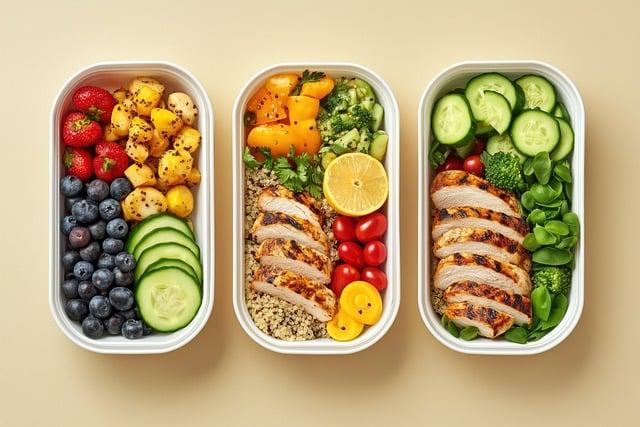
When choosing meal prep containers, the material plays a pivotal role in both durability and functionality. Containers crafted from high-grade BPA-free plastic offer lightweight convenience and resistance to cracking, but they can sometimes retain stains or odors. On the other hand, stainless steel containers excel in long-term durability, resisting warping and staining while often being entirely leak-proof. Glass containers, although heavier, bring the benefit of being microwave safe and resisting scratches, but they require extra caution to prevent breakage. Additionally, silicone components such as seals or lids enhance leak proofing by creating an airtight barrier, further preventing spills during transport.
Design elements are equally important to ensure your meal prep arsenal meets everyday demands. Features like reinforced edges increase shock resistance, while stackable shapes maximize storage efficiency both in the fridge and on shelves. Look for containers with secure locking mechanisms—snap lids or click-tight closures—that add an extra layer of spill protection. Ventilation valves are a subtle but valuable design trait that helps safely release steam when microwaving, avoiding pressure buildup inside. Here’s a quick overview of how materials and design traits influence these key qualities:
| Material | Durability | Leak Proof | Microwave Safety |
|---|---|---|---|
| Plastic (BPA-Free) | Moderate | Moderate | Usually safe, check label |
| Glass | High | High (with silicone seals) | Safe |
| Stainless Steel | Very High | Very High | Not safe |
| Silicone Seals | Enhances durability & sealing | Excellent | Safe |
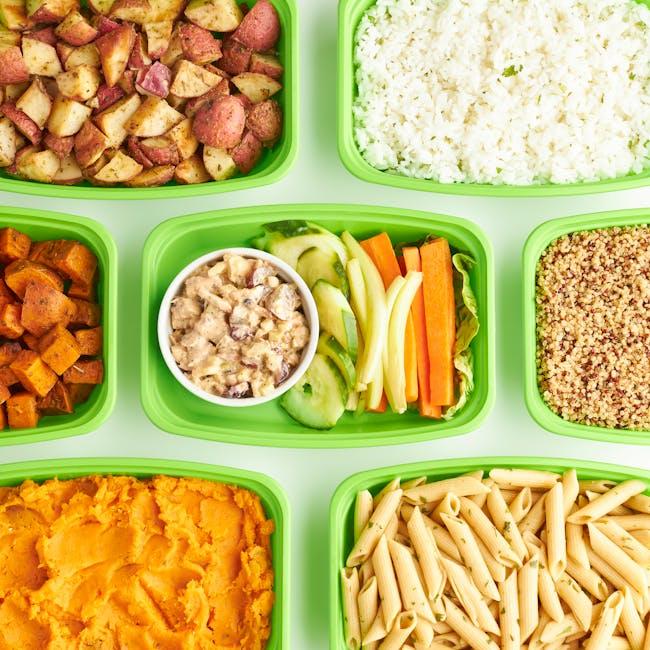
Top Recommendations for Reliable and Convenient Meal Prep Solutions
When it comes to selecting meal prep containers, prioritizing both leak resistance and microwave safety is essential for stress-free daily meals. Containers with silicone-sealed lids are a game-changer, providing airtight security to prevent spills during transit. Additionally, containers crafted from BPA-free plastic or tempered glass not only withstand microwave heat but also maintain food freshness without absorbing odors or stains. Opting for stackable designs with secure clasps further enhances convenience, keeping your fridge organized and your meals ready in minutes.
Here are some standout features to look for in your next set of meal prep containers:
- Heat-resistant materials: Safe for reheating without warping or releasing harmful chemicals.
- Leak-proof seals: Prevent messy leaks in bags and lunchboxes.
- Versatile compartments: Separate your proteins, veggies, and sauces easily.
- Dishwasher compatibility: For effortless cleanup after a busy day.
- Clear lids or sides: Quickly identify meals without opening each container.
| Container Type | Leak Proof | Microwave Safe | Additional Perk |
|---|---|---|---|
| Tempered Glass | ✔️ | ✔️ | Stain & Odor Resistant |
| BPA-Free Plastic | ✔️ | ✔️ | Lightweight & Durable |
| Stainless Steel | ❌ | ❌ | Highly Durable, Not Microwave Safe |
| Silicone Containers | ✔️ | ✔️ | Flexible & Space-saving |
Key Takeaways
In the end, choosing the right meal prep container comes down to your daily rhythm and priorities—whether it’s the peace of mind from a leak-proof seal or the convenience of microwave-safe materials. Our tests have peeled back the layers beyond marketing claims to help you find containers that truly stand up to the demands of modern meal prepping. So next time you pack your lunch or stash leftovers, you can do so with confidence, knowing your food containers have been put to the test and proven ready for whatever your day throws their way.