


Hallways often serve as the quiet passages between rooms, places where shadows play and footsteps echo softly. When night falls, navigating these narrow corridors can be a challenge—too little light risks stumbles and unease, while too much threatens to disrupt the peaceful darkness we crave. In our quest for the ideal nighttime companion, we tested a variety of hallway night lights, comparing gentle, soothing glows against brighter, more illuminating options. Join us as we explore how these subtle sources of light perform when it comes to balancing safety, comfort, and ambiance in the often-overlooked spaces of our homes.
Choosing the Right Night Light for Your Hallway Ambiance
Creating the perfect hallway ambiance hinges on selecting a night light that complements both style and function. A subtle, warm glow can transform your hallway into a calming passageway, ensuring safe navigation without harsh brightness that disturbs late-night peace. When deciding, consider lights with adjustable dimmers or those that emit soft, amber hues to reduce blue light exposure, which can interfere with sleep cycles. Beyond illumination, the design should blend seamlessly with your décor, whether that means sleek modern fixtures or cozy, vintage-inspired lamps.
Here are key features to look for when choosing a hallway night light:
- Brightness levels: Adjustable or moderate settings avoid overpowering the space.
- Color temperature: Warm tones (2700K–3000K) promote relaxation.
- Energy efficiency: LED bulbs provide long-lasting, low energy use.
- Motion sensors: Automated lighting adds convenience and saves power.
- Size and shape: Compact designs reduce visual clutter in narrow hallways.
| Feature | Soft Glow Lights | Too Bright Lights |
|---|---|---|
| Ambiance | Relaxing, subtle | Overwhelming, harsh |
| Energy Usage | Low | High |
| Sleep Disruption | Minimal | Significant |
| Visual Comfort | Gentle on eyes | Strains eyes |
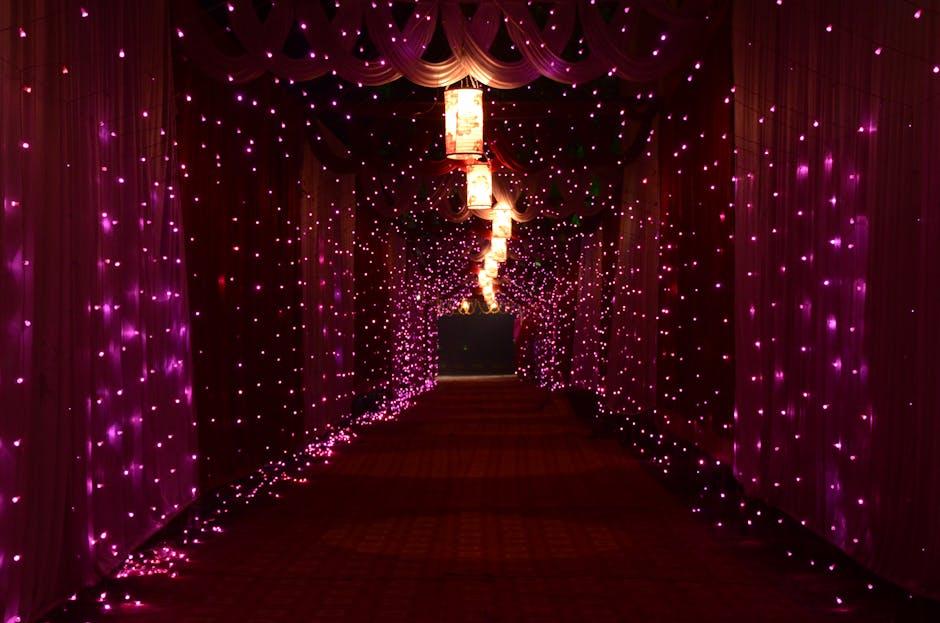
Evaluating Luminosity Levels and Their Impact on Comfort
When it comes to nighttime hallway lighting, the balance between visibility and comfort is delicate. Lights that emit a soft glow tend to create a calming atmosphere, gently guiding footsteps without overwhelming the eyes. On the other hand, overly bright night lights can disrupt sleep patterns and cause unnecessary strain, turning what should be a natural transition between rooms into a visually jarring experience. Our tests showed that a luminance level around 5 to 15 lumens strikes the ideal balance, providing enough illumination to prevent stumbles without sacrificing tranquility.
Factors beyond brightness also contribute to comfort, including color temperature and light diffusion. Warmer tones (2700K–3000K) often pair best with lower luminosity, producing a cozy aura that feels inviting rather than harsh. Among the models tested, those with diffused covers or built-in dimmers earned extra points for minimizing glare. The table below summarizes how different luminosity levels influence key comfort aspects in a typical 10-foot hallway:
| Luminosity (Lumens) | Visibility | Eye Strain | Sleep Disruption | Overall Comfort |
|---|---|---|---|---|
| 2 – 5 | Low but sufficient | Minimal | None | Moderate |
| 5 – 15 | Optimal | Low | Minimal | High |
| 15 – 30 | High | Noticeable | Possible | Moderate |
| >30 | Overly bright | Strong | Likely | Low |
- Soft glow: Best for preserving night vision and calmness.
- Too bright: Can cause discomfort and interrupt sleep cycles.
- Diffusion and color warmth: Essential complements to luminosity for comfort.

Balancing Safety and Softness in Nighttime Navigation
When choosing a night light for your hallway, striking the perfect balance between visibility and comfort is key. A harsh, overly bright light can disrupt sleep cycles and create an unwelcome glare, while a dimmer option might leave you fumbling in the dark. The ideal night light should emit a soft glow that gently illuminates pathways without overwhelming the eyes or disturbing the serene nighttime ambiance. Materials like frosted glass or diffused LED panels are excellent at spreading light evenly, preventing hotspots that can feel like mini flashlights pointed directly at your gaze.
Consider these factors to ensure your nighttime navigation is both safe and soothing:
- Color Temperature: Warm whites (2700K–3000K) help maintain melatonin production, supporting better sleep.
- Light Intensity: Aim for 10–20 lumens—a range bright enough to avoid tripping hazards but soft enough to be unobtrusive.
- Placement: Position lights low on the wall or near the floor to reduce eye strain and improve contrast for stairs or rugs.
- Motion Sensors: Automated illumination prevents fumbling for switches, enhancing both convenience and safety.
| Feature | Soft Glow Light | Too Bright Light |
|---|---|---|
| Brightness (Lumens) | 12 | 40 |
| Sleep Disruption | Minimal | Often |
| Visibility | Optimal for safe navigation | Uncomfortably glaring |
| Energy Efficiency | High | Lower |
| Recommended Use | Hallways, bedrooms | Outdoor or security lighting |
Top Night Light Picks for a Welcoming Yet Subtle Glow
Finding the perfect night light means striking a balance between providing enough illumination for safety and preserving the calm ambiance of nighttime. Our top picks deliver a soft, comforting radiance that eases the transition from day to night without overwhelming your senses. These models boast adjustable brightness settings, warm color temperatures, and energy-efficient LED bulbs that create a gentle, welcoming glow—ideal for hallways where you want subtle guidance rather than harsh spotlighting.
To help you decide, here’s a quick overview of standout features across our favorites:
- Dimmer Controls: Fine-tune brightness to your preference, from barely-there twinkle to soft illumination.
- Warm Light Options: Emitting cozy amber or soft white hues that don’t disrupt sleep cycles.
- Compact Designs: Slim profiles that blend seamlessly with any décor while offering practical lighting.
- Motion Sensors: Energy-saving activation only when movement is detected, perfect for hallway traffic.
| Model | Brightness Levels | Light Color | Motion Sensor |
|---|---|---|---|
| GlowEase Mini | 3 | Warm Amber | Yes |
| SoftPath Light | 5 | Soft White | No |
| NightAura Pro | 4 | Warm Amber | Yes |
Wrapping Up
In the end, choosing the perfect hallway night light comes down to finding the balance between comfort and visibility. Whether you prefer a gentle, soothing glow that coaxes you softly through the dark or a brighter beacon that illuminates every step, our tests have shown there’s no one-size-fits-all solution. Consider your hallway’s layout, your household’s needs, and the ambiance you want to create. After all, the right night light should quietly guide your way without stealing the night’s calm—a small source of light that makes all the difference when the rest of the world is asleep.